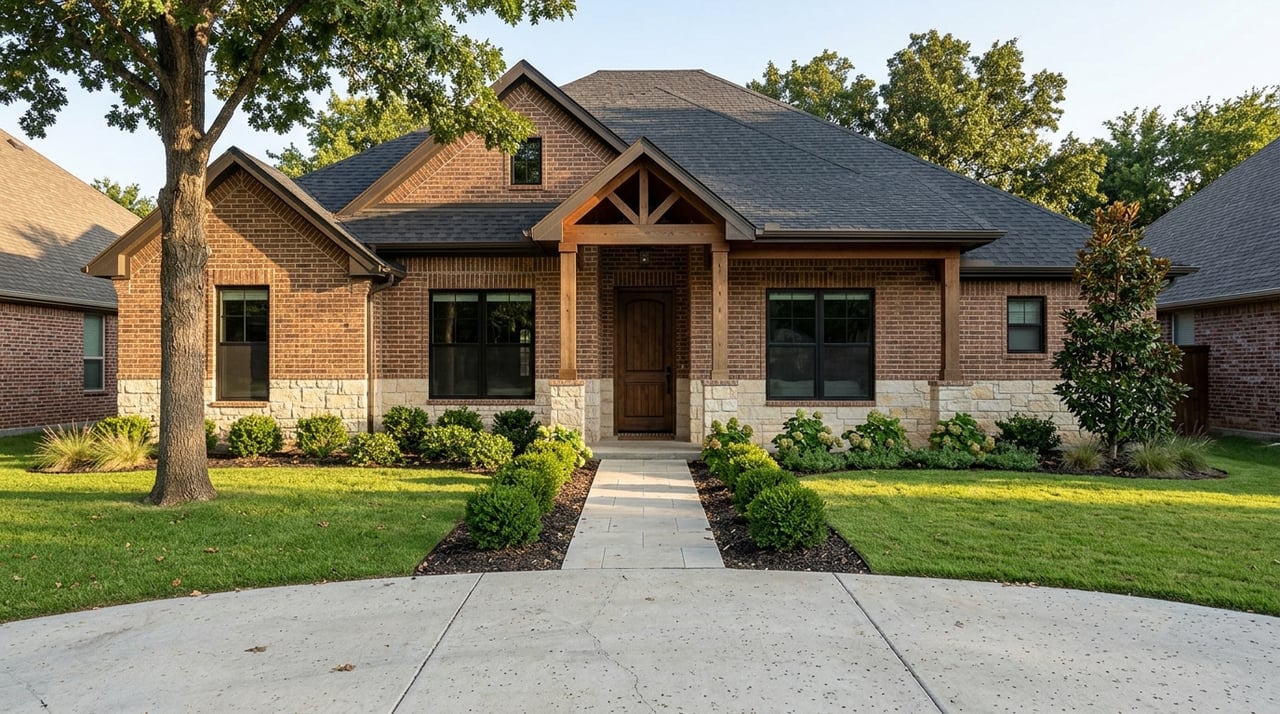
Are Pleasant Valley Move Up Homes Right for You?
July 16, 2026
July 16, 2026
Wondering if Pleasant Valley is the kind of neighborhood that makes a move-up purchase feel worth it? If you want more space, a more established setting, and a west Little Rock location that feels settled rather than constantly changing, Pleasant Valley deserves a close look. Below, you’ll get a practical look at the homes, lifestyle, location, and ownership factors that can help you decide if this neighborhood fits your next chapter. Let’s dive in.
Pleasant Valley is a well-established neighborhood in west Little Rock, located about 8 miles west of downtown. The neighborhood includes about 1,000 homes, and it is known for larger lots, mature hardwoods, and a traditional residential feel.
It also offers a long-standing amenity base through the property owners association. According to the Pleasant Valley POA, residents have access to two pools, a community center, two playgrounds, tennis courts, and 55 acres of green space with trails.
For many move-up buyers, that mix matters. You are not just buying square footage. You are also choosing a neighborhood with a defined identity, visible upkeep, and amenities that support everyday living.
In Pleasant Valley, a move-up home often means more than a higher price point. It usually means a larger house, a larger lot, and a more established neighborhood pattern than you may find in newer subdivisions.
Recent market snapshots support that position. Realtor.com reported a median listing price of $550,000 in June 2026, while Redfin showed a median sale price of $537,319 for the three months ending May 2026. Since those sources use different timeframes and datasets, it is best to treat them as directional signals rather than exact equivalents.
That pricing range places Pleasant Valley firmly in the upper-mid market for Little Rock. If you are moving from a smaller in-town property or a more basic suburban home, this neighborhood can represent a meaningful step up in both setting and home profile.
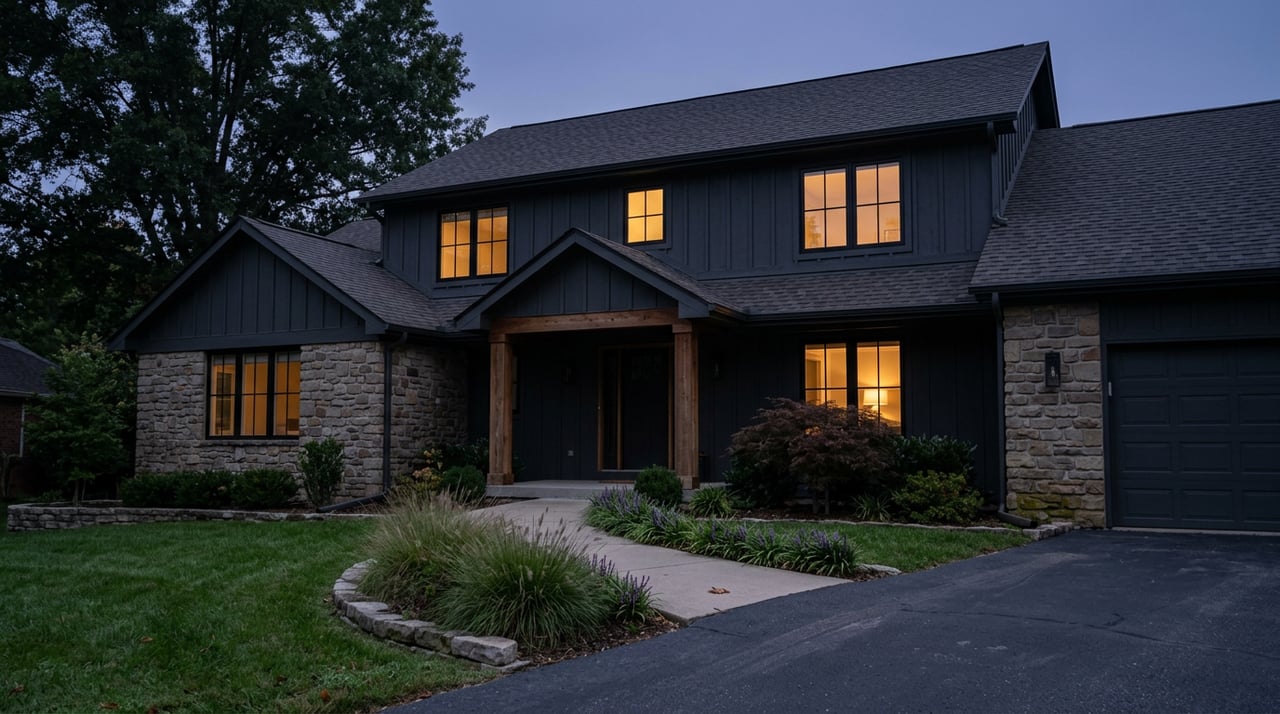
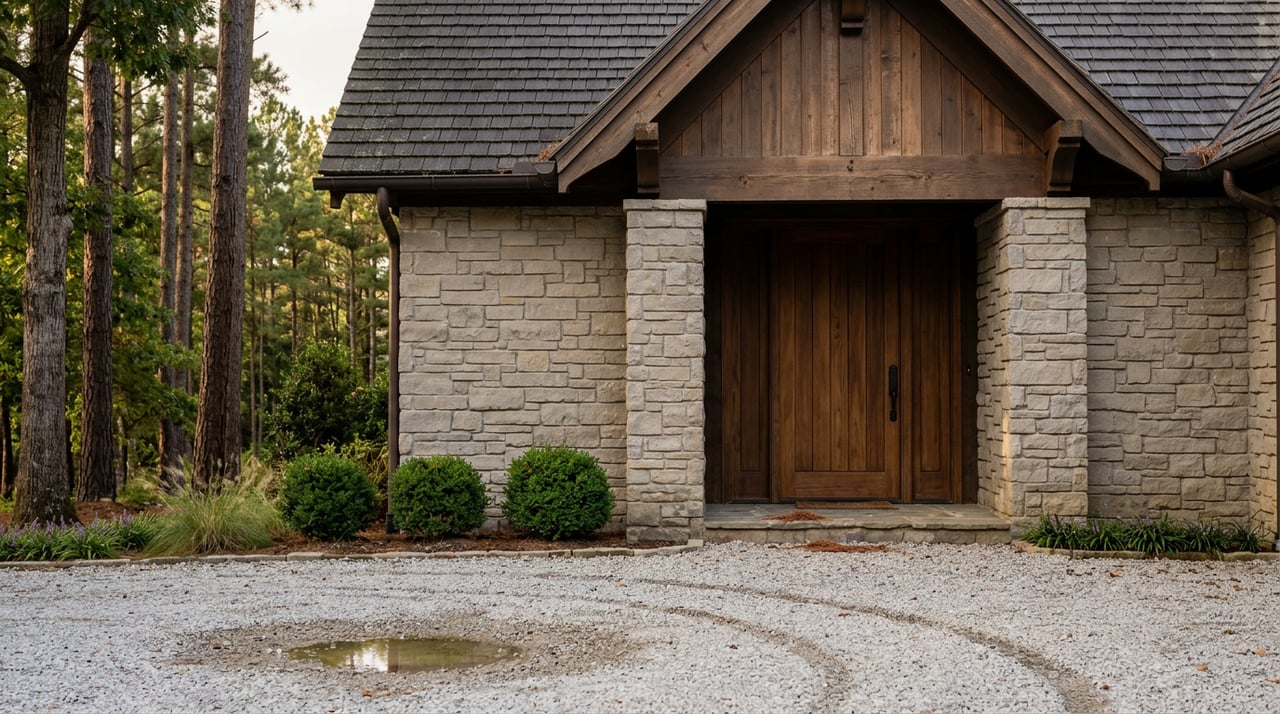
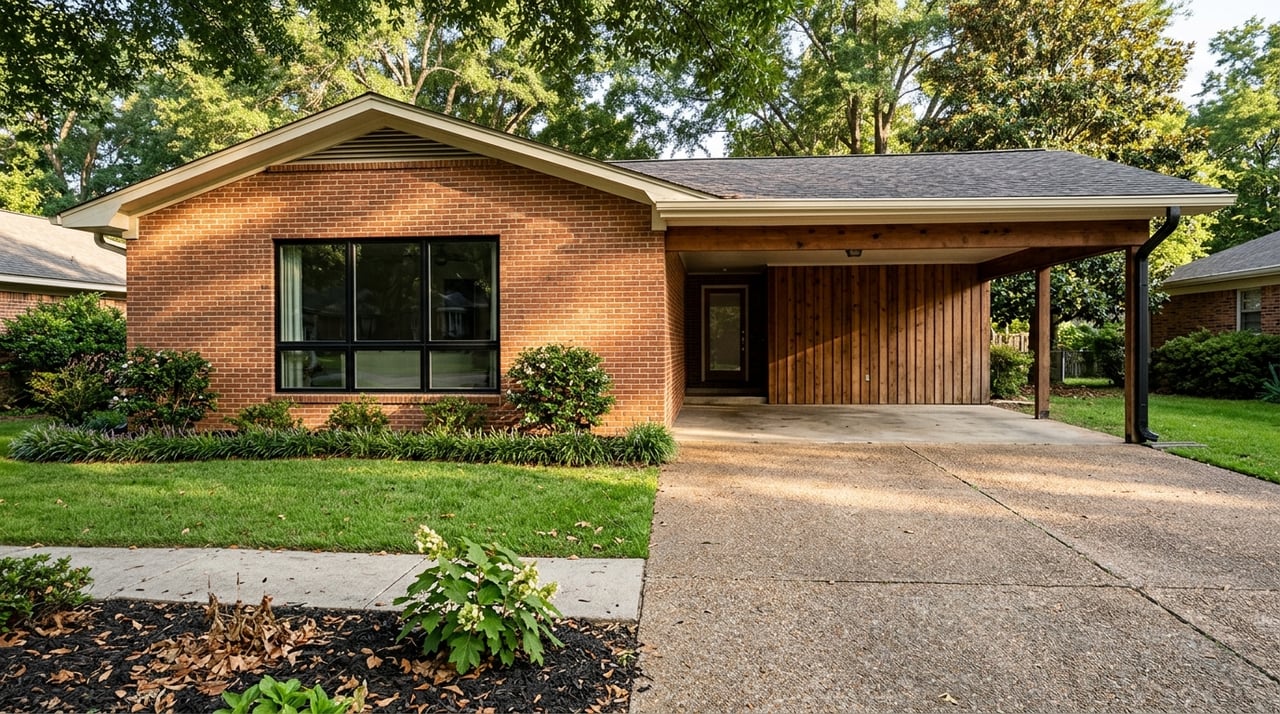
A big part of Pleasant Valley’s appeal is its housing stock. Consumer market snapshots describe homes here as largely built from the 1970s through the 1990s, with common styles including brick Colonials, traditional two-story homes, and ranch-style layouts.
That matters if you value established architecture over a more uniform new-build look. These homes often offer floor plans and lot dimensions that are harder to replicate in many newer neighborhoods.
Reported housing averages help paint the picture. One market snapshot describes a median year built of 1975, an average single-family size of 3,179 square feet, and a median lot size of 15,246 square feet. In practical terms, you can expect many homes to offer more interior breathing room and more outdoor space than you might find in tighter modern developments.
Location is one of Pleasant Valley’s strongest selling points. The City of Little Rock’s future land-use plan describes West Little Rock as a stable, mostly built-out district where zoning patterns have been established for many years and dramatic change is not anticipated.
For a move-up buyer, that can be reassuring. You are buying into an area where the overall development pattern is already well defined, which can make the neighborhood feel more predictable over time.
The same city plan describes the Rodney Parham area as predominantly low-density residential, with commercial uses generally concentrated along arterial roads rather than mixed throughout neighborhood streets. That separation helps preserve the traditional residential character many buyers want.
Pleasant Valley offers access to west-side conveniences without giving up its residential feel. City planning documents place Pleasant Valley and the Rodney Parham corridor near specialty shops, offices, medical offices, and unique eating establishments.
That balance can be especially appealing if you want daily convenience close by, but do not want to live in the middle of a heavily commercial environment. You can stay connected to services and shopping while still enjoying a neighborhood that feels distinct from the busier corridors around it.
The city plan also notes a concentration of public and institutional uses along Pleasant Valley Drive, including nearby schools, churches, and the Terry Branch of the Little Rock Library system on Napa Valley Drive. Those nearby uses can add convenience and reinforce the area’s established community structure.
Pleasant Valley has a strong identity tied to recreation and neighborhood amenities. Pleasant Valley Country Club is located within the neighborhood and features a 27-hole championship golf course, lake views, dining, and other recreational facilities.
Even if golf is not the main reason you move, that club presence shapes the neighborhood’s image and appeal. It adds to the sense that Pleasant Valley is a place with long-term identity rather than a neighborhood still trying to define itself.
Outside the club setting, the POA-managed amenities add another layer of value. Pools, tennis courts, playgrounds, green space, and trails can make a real difference in how a neighborhood feels day to day, especially if you want options close to home for recreation and outdoor time.
Pleasant Valley appears to remain active even when inventory is limited. Realtor.com’s June 2026 snapshot shows homes selling at roughly asking price on average, which suggests buyers continue to see value in the neighborhood.
That does not mean every home will perform the same way. Condition, updates, lot appeal, and pricing strategy still matter. But it does suggest that well-positioned homes in Pleasant Valley continue to attract attention.
If you are buying, that means preparation matters. If you are selling, it reinforces the importance of strong presentation and sharp pricing in a neighborhood where buyers likely have clear expectations.
Pleasant Valley’s appeal comes with structure, and that is important to understand before you buy. The POA uses preservation-oriented rules, including approval requirements for exterior changes.
The rules also prohibit short-term rentals and set standards for parking, yard maintenance, storage, and other visible property features. For many buyers, that structure supports neighborhood continuity and helps maintain appearance over time.
At the same time, you should expect ongoing dues and compliance responsibilities. If you prefer a neighborhood with fewer appearance standards, that is worth weighing carefully. If you value consistency and long-term upkeep, the POA framework may feel like a benefit.
Based on the neighborhood’s larger lots, mature homes, club-oriented identity, and stable west-side setting, Pleasant Valley tends to make the most sense for buyers who want to move up without leaving Little Rock’s established west side.
It can be especially attractive if you are looking for a quieter traditional residential setting instead of a rapidly changing area or a newer master-planned development. The neighborhood may also appeal to buyers who want a home with more presence, more lot space, and a setting that already feels rooted.
Of course, the right fit depends on your priorities. If your wish list includes newer construction, minimal POA rules, or a very low-maintenance lot, Pleasant Valley may not check every box. But if you want established character, west-side convenience, and a neighborhood with long-term identity, it is easy to see why buyers continue to consider it.
If your next move is about gaining space, enjoying a more established setting, and staying connected to west Little Rock amenities, Pleasant Valley is a strong neighborhood to consider. It offers a blend of larger homes, larger lots, recreational amenities, and a stable land-use pattern that can be hard to match.
The key is to look beyond surface appeal and compare your goals with the realities of ownership here. Home style, lot size, POA expectations, and pricing all play a role in whether this neighborhood truly fits your next stage.
If you are weighing a move to Pleasant Valley or preparing to sell a home in west Little Rock, local neighborhood insight can make the decision much clearer. Reach out to Kristen Honea Mccready for thoughtful, personalized guidance backed by decades of Little Rock market experience.
Work with Kristen for a real estate experience defined by passion, innovation, and results. With the latest tools, market insights, and a client-first approach, she turns your goals into reality.

Keller Williams Realty
Kristen Honea McCready
(501) 960-5353
12814 Cantrell Rd Little Rock AR 72223