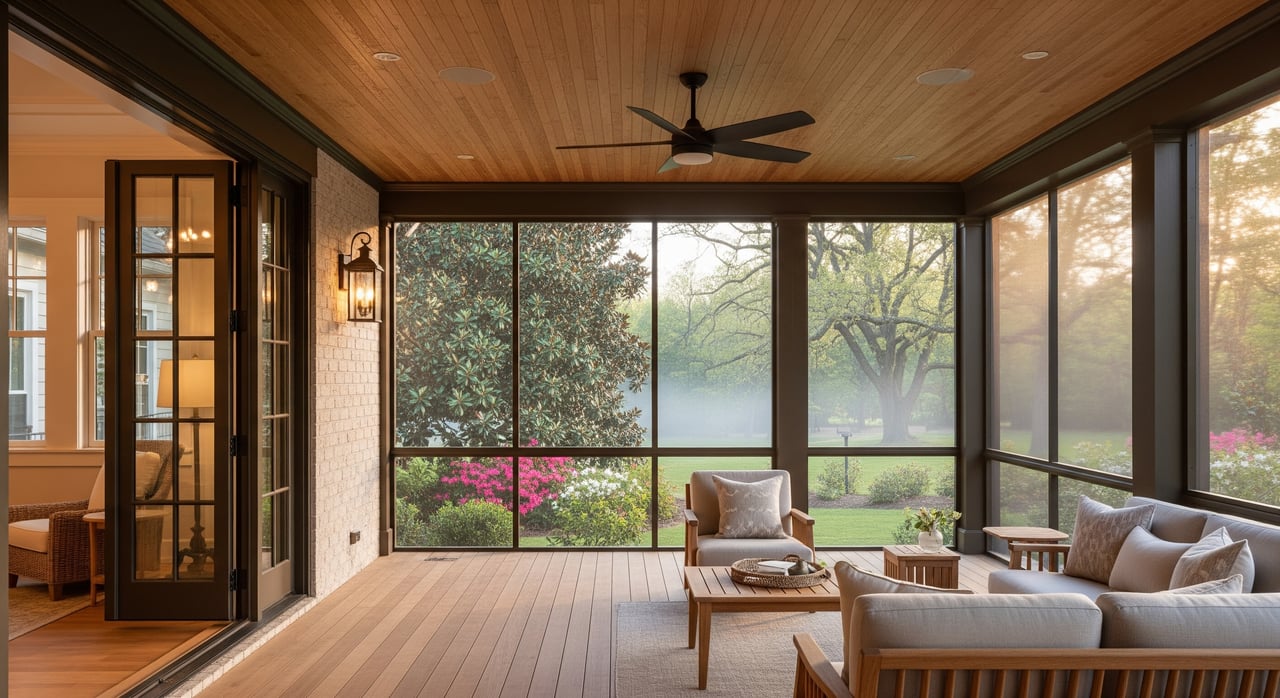
Explore IECC Climate Zone 3A Upgrades for Robinwood Homes
October 16, 2025
October 16, 2025
If summertime in Robinwood feels clammy even when the thermostat says you should be comfortable, you are not imagining it. Robinwood sits inside Little Rock’s warm, humid 3A climate, where sticky air and high dew points make homes feel muggy and can stress your HVAC. The good news: a few targeted upgrades can make your home feel cooler, drier, and healthier without cranking the AC. Here is how to get comfort right in Robinwood, step by step. Let’s dive in.
Little Rock falls in the hot-humid 3A zone used by building and HVAC pros to design for moisture and heat. That matters because the right plan for 3A looks different than for a dry or cool climate. Local climate normals show summer dew points often in the upper 60s to low 70s Fahrenheit, which makes air feel sticky. In this kind of weather, you must manage both temperature and humidity to stay comfortable and reduce mold risk.
For context, Pulaski County is designated 3A in national energy codes, which guides best practices for insulation, ventilation, and equipment selection. That is why the most effective upgrades here focus on humidity control paired with an airtight, well-insulated home. You will feel the difference in every room. You will also protect finishes and reduce musty odors over time.
Oversized or single-speed systems often short cycle and do not remove enough moisture. Ask your contractor for a room-by-room Manual J load calculation and equipment selection per Manual S. Proper sizing and variable-capacity or two-stage systems help your system run longer at lower speeds, which improves dehumidification. Learn more about Manual J sizing standards and variable-speed benefits.
In spring, fall, or on mild rainy days, your AC might not run enough to keep indoor humidity in check. A ducted whole-house dehumidifier can run independently to maintain stable indoor relative humidity without overcooling. Building America highlights whole-house dehumidification as a reliable solution when indoor RH sits above about 55 to 60 percent.
Set a humidity target on your thermostat if available. Keep the HVAC fan on Auto unless your system was designed for continuous low-speed operation with controls that prevent re-evaporating moisture from the coil. Small control tweaks can make a noticeable difference in how dry your home feels.
Fresh air is important, but in our climate the wrong solution can add lots of moisture. An energy recovery ventilator (ERV) usually makes more sense than an HRV in hot-humid regions because it transfers some moisture and reduces the added humidity. ERVs are not dehumidifiers, so pair them with dehumidification in summer. See balanced ventilation tradeoffs in this Building Science guide.
Tighter homes keep humid outdoor air from leaking in, which lowers the moisture your HVAC must remove. Seal attic penetrations, rim joists, and ductwork, then bring insulation up to current best practices. DOE resources for climate zones reinforce starting with the envelope to improve comfort and system performance. Explore the climate zone context on the Building America map.
Look for ENERGY STAR labeled windows suited to our region with a low solar heat gain coefficient and appropriate U-factor. Better windows reduce heat gain, which cuts cooling load and helps your system maintain comfortable humidity. Review zone-appropriate guidance in the ENERGY STAR windows program.
In hot-humid regions, vented crawlspaces can pull in damp air. Many homes benefit from a sealed and conditioned or otherwise managed crawlspace with a continuous ground vapor barrier and proper wall insulation. Learn the options in this Building America crawlspace guide.
Simple maintenance goes a long way. Keep gutters clear, extend downspouts, and slope soil away from the foundation. Use bath and kitchen exhausts during and after moisture-heavy activities, and vent dryers outdoors. The EPA’s mold and moisture guide emphasizes keeping indoor RH ideally between 30 and 50 percent and below 60 percent to limit mold.
When you pair right-sized, variable-capacity cooling with whole-house dehumidification and a tighter envelope, your home should feel cooler at a slightly higher thermostat setting. You will notice fewer musty odors, clearer windows, and more even comfort room to room. With drainage, crawlspace, and ventilation handled, you lower the risk of mold and protect finishes and furnishings. For health and comfort, aim to keep indoor RH in the 30 to 50 percent range and below 60 percent at all times, as noted by the EPA and CDC.
If you are buying or selling in Robinwood, smart comfort upgrades can help your day-to-day living and make your home more appealing to today’s buyers. For neighborhood-level guidance on which updates matter most before you list or what to look for when you buy, reach out to Kristen Honea Mccready for a friendly, local conversation.
Work with Kristen for a real estate experience defined by passion, innovation, and results. With the latest tools, market insights, and a client-first approach, she turns your goals into reality.

Keller Williams Realty
Kristen Honea McCready
(501) 960-5353
12814 Cantrell Rd Little Rock AR 72223