Hillcrest vs The Heights Homes for Little Rock Buyers
February 19, 2026
February 19, 2026
Torn between Hillcrest and The Heights? You are not alone. Both sit in central Little Rock’s Pulaski Heights area and offer character-rich homes, a lively Kavanaugh Boulevard, and quick access to parks. By the end of this guide, you will know how the neighborhoods differ on homes, prices, walkability, parks, and renovation rules so you can choose with confidence. Let’s dive in.
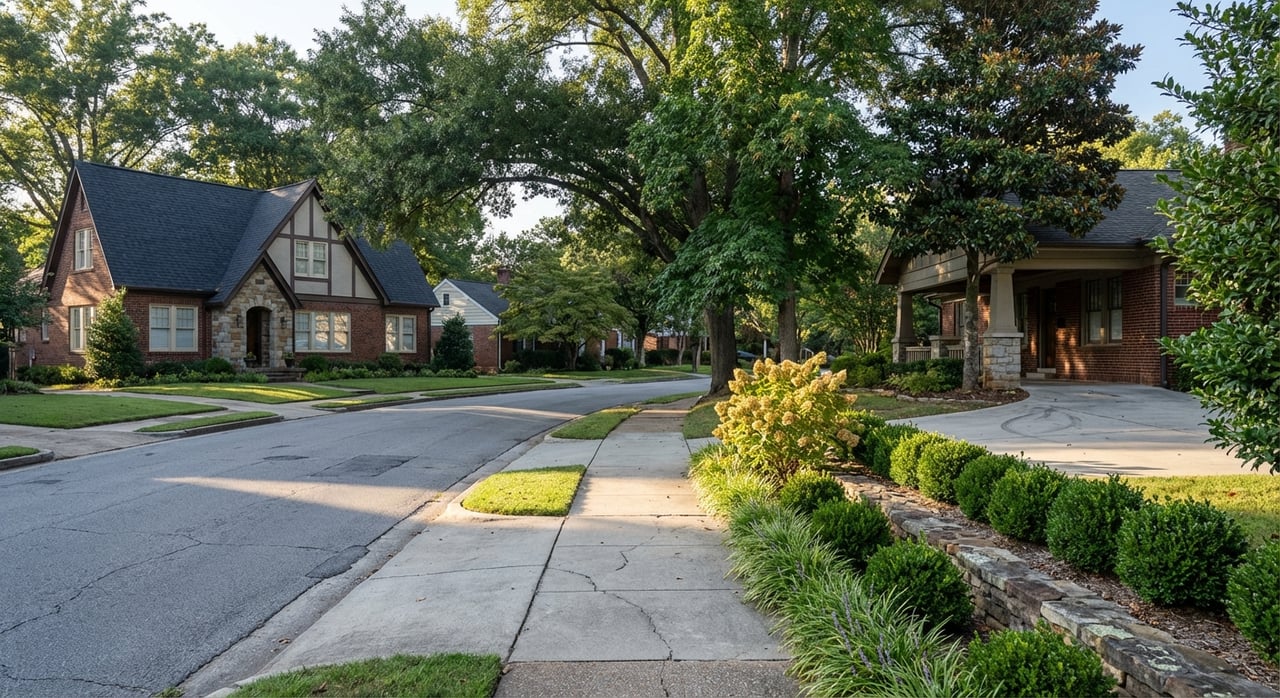
Hillcrest and The Heights share roots within Pulaski Heights, but they are distinct neighbors with their own feel and housing patterns. Hillcrest is a classic streetcar suburb with a dense grid, historic homes, and a strong preservation identity through the Hillcrest Historic District on the National Register of Historic Places. You can explore the area’s historic background in the entry for Hillcrest on Wikipedia for helpful context (Hillcrest on Wikipedia).
The Heights runs along higher bluffs in the northern portion of Pulaski Heights. You will find more estate lots near the Country Club of Little Rock and a traditional main street feel along Kavanaugh. For a quick snapshot of the neighborhood’s positioning and character, review the city’s description of the Heights and its retail corridor (Heights overview).
If you are digging into exact boundaries, note that lines can vary by source. The local Heights Neighborhood Association posts a helpful map to orient yourself to streets and blocks (Heights neighborhood map).
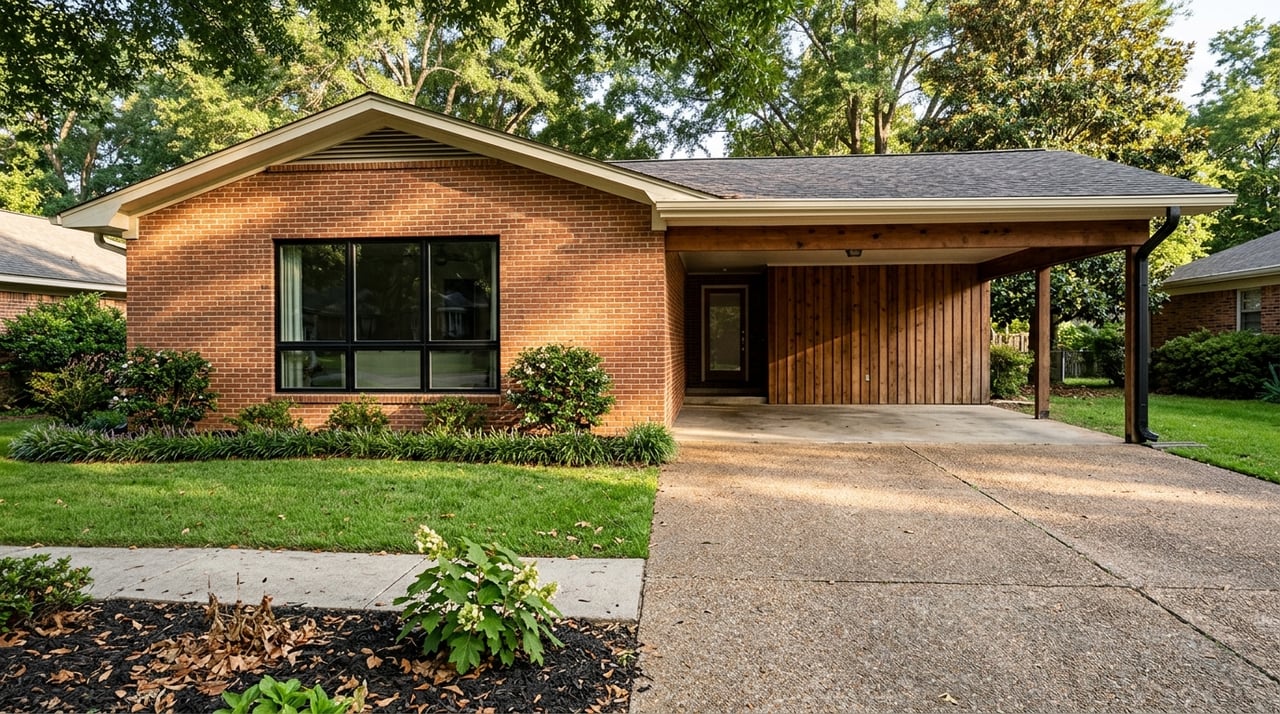
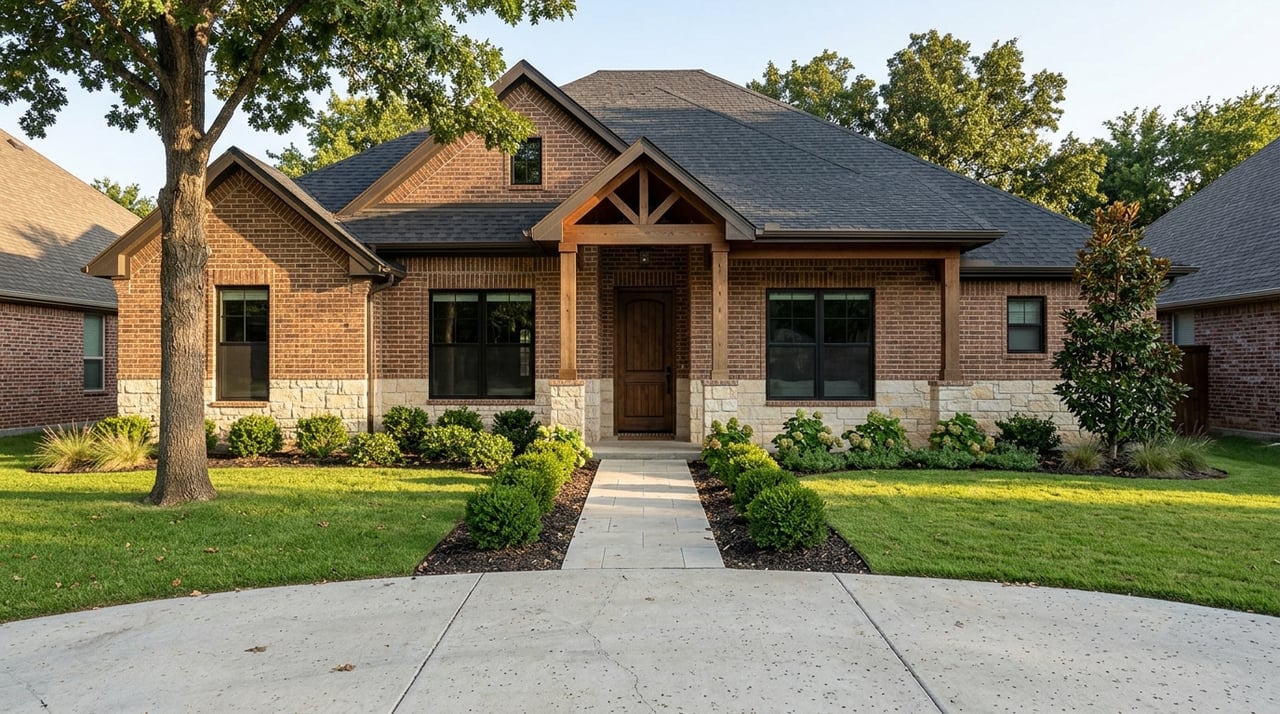
In Hillcrest, many homes date to the early 1900s, with a strong showing of Craftsman and Bungalow styles, plus Colonial and English or Tudor Revival. You will also see Prairie and Queen Anne influences mixed with careful renovations and some in‑fill construction on available lots. The overall streetscape feels cohesive and historic, which is a big draw for buyers who value preserved architecture and a human-scale street grid (Hillcrest on Wikipedia).
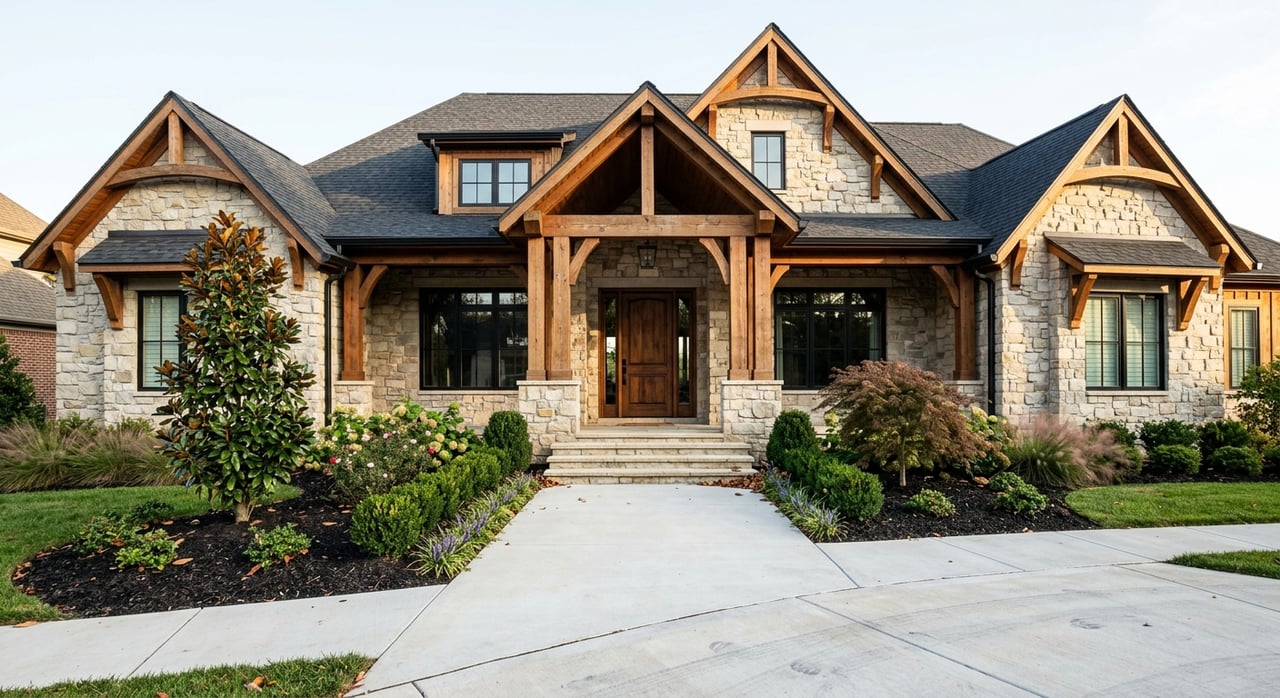
The Heights also developed in the early 20th century, but you will notice more frequent larger homes and estate-like settings. Tudor, Georgian, Craftsman, and English Revival styles are common, and some blocks have seen teardown and rebuild activity, especially near bluff streets and the country club. The result is a mix of period homes and modern construction, often on wider lots than you find in Hillcrest.
Both neighborhoods mostly deliver city-sized lots, often around 6,000 to 11,000 square feet, with many examples near 6,500 to 7,000 square feet. That said, The Heights shows more frequent larger parcels, including half-acre or larger lots near bluff edges and the Country Club of Little Rock. If a larger yard and a bit more separation matter to you, The Heights will present more options in that category.
Topography also plays a role. Hillcrest’s street grid includes some steeper blocks where lot grading, driveways, and drainage deserve a closer look. The Heights has hilly areas too, but you will also find bluff-facing homes with scenic outlooks and more estate landscaping on select streets.
Price medians vary by data provider and time window, but the signal is consistent. According to Redfin’s January 2026 neighborhood snapshots, the median sale price in Hillcrest was around 300,000 dollars and The Heights was around 775,000 dollars. Realtor.com’s October 2025 reports showed different midpoints, roughly 339,000 dollars for Hillcrest and 534,900 dollars for The Heights. Medians can shift month to month, and neighborhood polygons differ by site, but most sources show The Heights transacting higher on average.
The best way to dial in your budget is to study recent sold comps by block and home type. If you are comparing a renovated Tudor to a smaller cottage, use like-for-like sales within the past 6 to 12 months for the most accurate picture.
Hillcrest typically scores slightly higher for walkability than The Heights. Walk Score reports Hillcrest around 67 and The Heights around 57, reflecting Hillcrest’s compact cluster of restaurants, cafés, and small shops along Kavanaugh Boulevard, with The Heights also walkable near Kavanaugh but quieter on many side streets (Walk Score overview).
Kavanaugh Boulevard is the shared spine for both neighborhoods, anchoring daily coffee runs, local restaurants, and boutique shopping. The calendar includes recurring community events and a long-running Saturday farmers market in Hillcrest, which you can confirm through neighborhood pages and resources posts (Hillcrest resources). In The Heights, local merchants and the neighborhood association promote shopping and seasonal gatherings along Kavanaugh as well.
Outdoor access is a major plus for both areas. Allsopp Park connects directly to the neighborhoods, offering trails and recent gateway improvements that make it a go-to for running, hiking, or family time (Allsopp Park project update). Knoop Park provides a scenic overlook and a quiet pocket of green with historic WPA-era features.
If private-club amenities are on your wishlist, the Country Club of Little Rock sits within The Heights and shapes much of the surrounding real estate. Proximity to the course, tree canopy, and bluff views gives certain blocks a distinct setting and price profile (Country Club of Little Rock).
If you plan to renovate or build, know the local rules before you buy. Hillcrest is covered by the Hillcrest Design Overlay District that governs the scale, setbacks, and exterior design of new construction and additions. The City of Little Rock maintains current materials and any proposed updates, which you should review early in your due diligence (Hillcrest Design Overlay District).
In The Heights, the city has pursued a tree ordinance tied to a design overlay that can affect demolition, larger additions, and tree removal standards. These measures evolve, so confirm current rules and any permit requirements that may affect your plans (Heights tree ordinance background).
Both neighborhoods see periodic teardown and in‑fill conversations. Community engagement is active, which is part of why buyers appreciate these areas. Just make sure your project ambitions match neighborhood and city guidelines.
Pulaski Heights routes and Kavanaugh corridor stops provide access to Rock Region METRO, though service is limited compared to larger metros. Most residents mix walking, biking, and driving depending on needs. The city has worked on bike and street improvements along Kavanaugh, so if you value car-light trips, you can structure your daily routines accordingly. For service updates, use Rock Region METRO’s route and service pages (Rock Region METRO updates).
Choose Hillcrest if you want a dense, historic streetscape with a slightly higher walkability profile and a wide mix of early 20th-century architecture. You will likely focus on city-sized lots and preservation-friendly renovations that respect the established fabric.
Choose The Heights if larger lots, bluff settings, and proximity to private-club amenities rise to the top of your list. Expect higher average prices, more estate-style options, and a traditional neighborhood atmosphere along Kavanaugh.
If you are weighing both, bring a block-by-block approach. The details of a single property, from lot grade to overlay rules, often matter more than the neighborhood label.
Ready to narrow your search or price your current home with precision? Connect with Kristen Honea Mccready for data-backed guidance and neighborhood insight rooted in decades of Little Rock experience.
Work with Kristen for a real estate experience defined by passion, innovation, and results. With the latest tools, market insights, and a client-first approach, she turns your goals into reality.
Keller Williams Realty
Kristen Honea McCready
(501) 960-5353
12814 Cantrell Rd Little Rock AR 72223