Thinking about selling your home in The Heights? Timing can have a real impact on how fast you sell and the quality of the offers you receive. If you want the widest pool of buyers, a clear plan, and a confident launch, you are in the right place. In this guide, you’ll learn when the local market is most active, how to get your house market-ready in 60-90 days, and the exact launch sequence Kristen uses to create maximum exposure. Let’s dive in.
What “best time” means in The Heights
Spring is typically the peak selling window in The Heights. From late February through May, buyer activity rises, open houses see higher turnout, and online search activity increases. Many sellers who list during this period see more showings and faster sales than in the winter months.
Activity often stays strong into early June. Families who want a summer move aim to have an accepted offer by late spring so they can close and settle before the new school year. If you miss March or April, a May or early June launch can still perform well with the right pricing and presentation.
Late summer and early fall tend to be slower. July and August can dip as people travel. After early September, traffic can ease again as routines shift to the school calendar. Late fall and winter are quieter and can work for motivated buyers or when inventory is tight, but expectations for traffic and pricing should be adjusted.
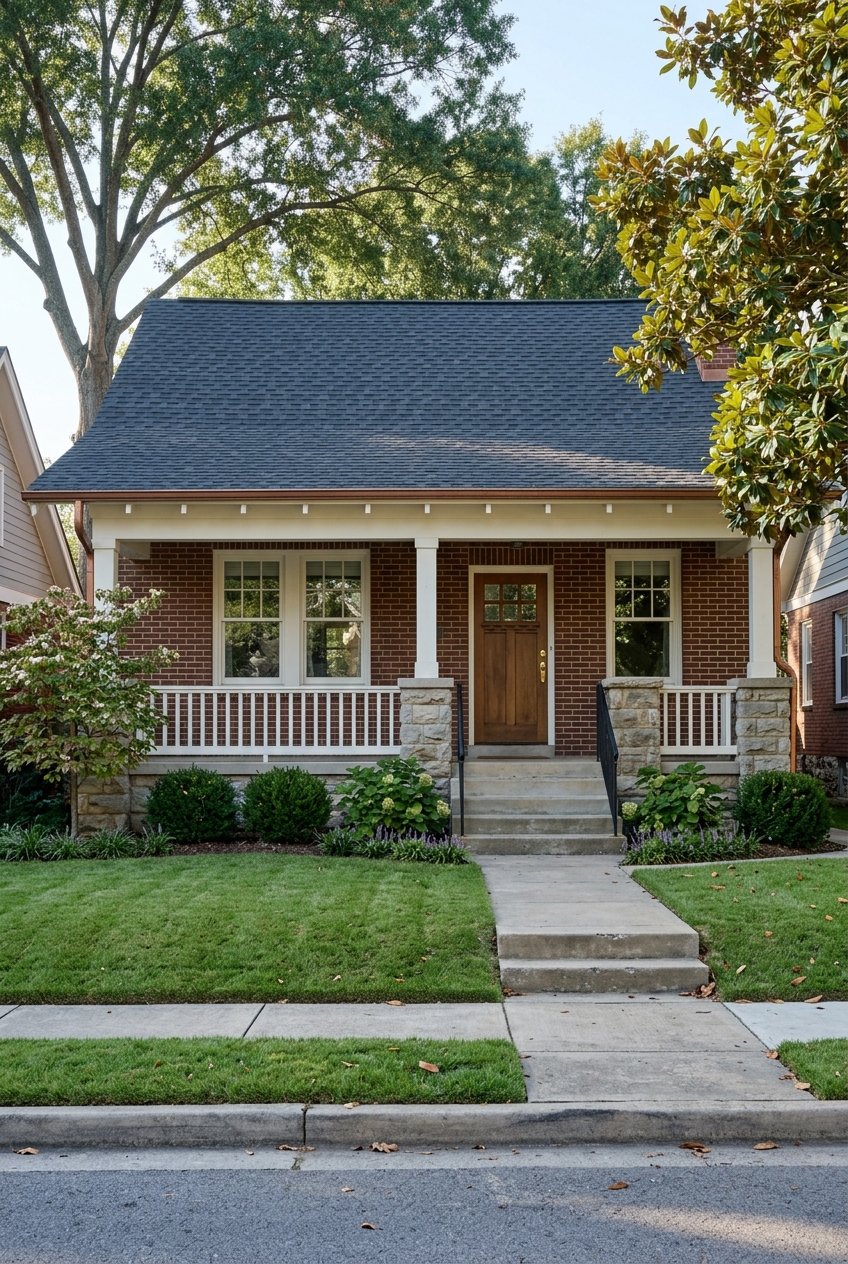
Local factors matter. In The Heights, walkability, mature landscaping, and home character draw a mix of buyers. Many are local professionals or families who prefer spring showings. If inventory is tight, the exact month may matter less because demand stays steady, but when competition among buyers is high, hitting the spring peak is smart.
Check the market before you pick a date
Before you set your listing day, review a few neighborhood indicators with your agent:
- Active inventory and the number of competing listings in The Heights
- Median days on market and how it compares to last year
- Percent of list price achieved and pricing trends
- Showings per listing and overall buyer tour activity
- Buyer lead traffic from the MLS and your agent’s CRM
These metrics help you choose the right week. If inventory is low and showing traffic is climbing, an earlier spring launch can capture buyers who are watching closely. If inventory rises suddenly, you may adjust pricing or strengthen presentation to stand out.
Who is buying in The Heights
A few buyer groups drive demand in this neighborhood. Timing your launch to reach them can increase results.
- Move-up families. They often target spring and early summer to align with the school calendar. They value space, extra bedrooms, and usable yards.
- Young professionals and couples. They care about walkability, proximity to downtown, and low-maintenance living. They can move year-round and often respond to compelling online photos and evening showings.
- Downsizers. They tend to move in spring or fall and look for manageable layouts, accessibility, and charm.
- Investors. They are opportunistic and may act outside of peak seasons if value is clear.
Match your marketing to the likely buyer mix. For example, feature flexible living spaces and backyard usability for families, highlight lifestyle photos and commute details for professionals, and showcase single-level access points for downsizers.
Your 60-90 day readiness roadmap
Use this step-by-step plan to be market-ready as buyer activity peaks.
60-90 days out: plan and assess
- Schedule an agent walk‑through and comparative market analysis to set pricing targets and timing.
- Create a prioritized repair list: roof, HVAC, electrical, plumbing; then exterior curb appeal; then interior fixes.
- Order permits or contractor work with longer lead times.
- Decide on staging level and line up vendors for cleaning, organizing, and possible rental pieces.
- Discuss pricing strategy and a launch window that matches spring demand.
- Consider a pre‑listing inspection to uncover issues early and reduce renegotiations later.
30-60 days out: improvements and prep
- Complete key repairs and keep receipts and warranty info for buyers.
- Deep clean, declutter, and begin staging. Remove personal items and simplify surfaces.
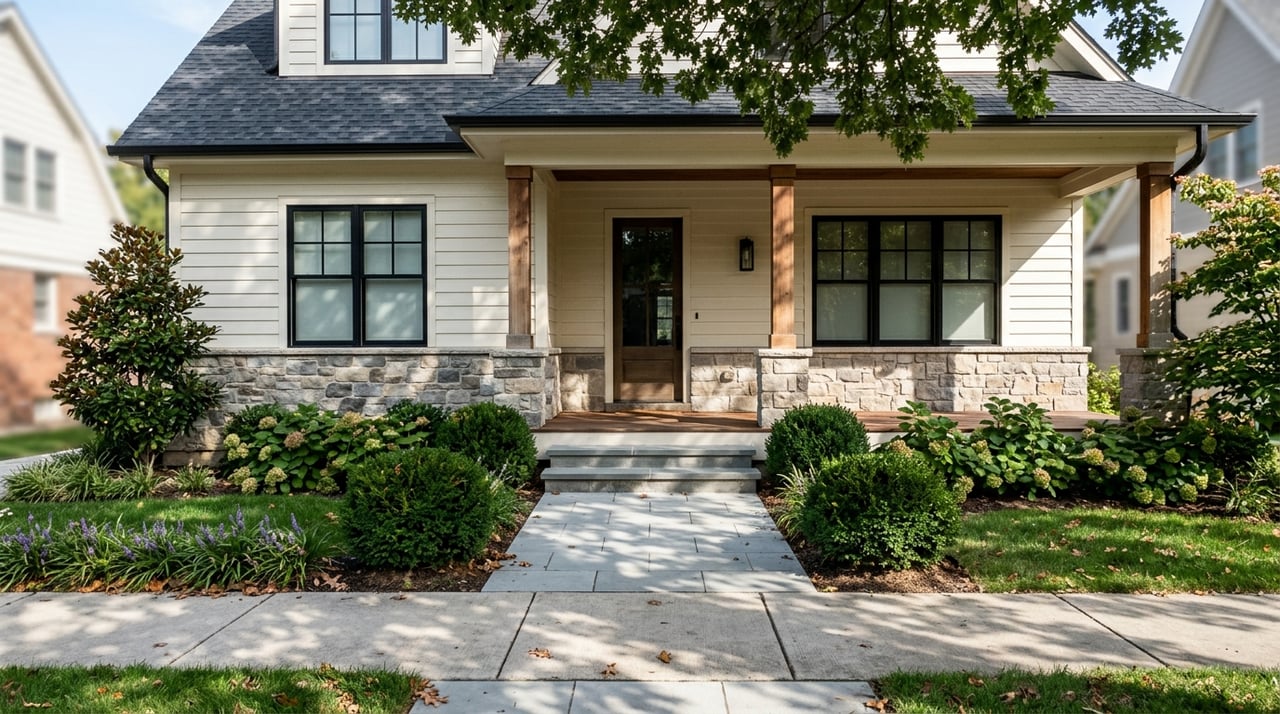
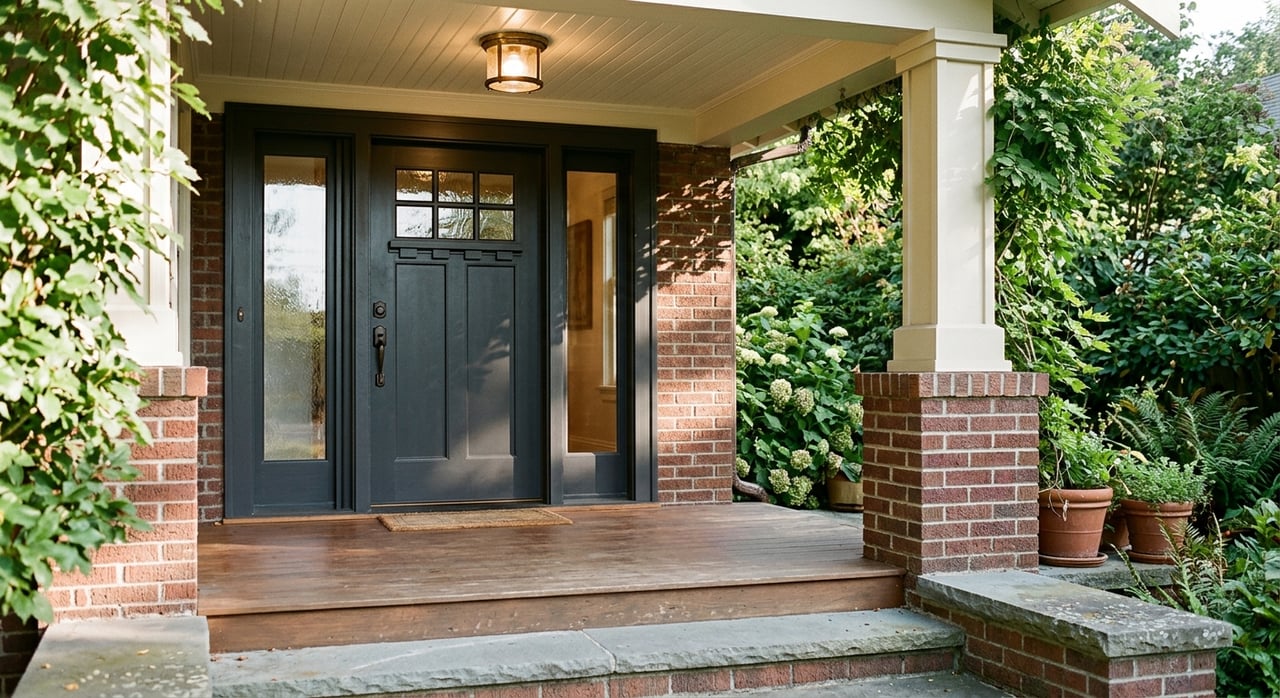
- Refresh curb appeal with plantings, mulch, power washing, and small exterior touchups.
- Gather documents: utility bills, any HOA documents, permits, improvement receipts, warranties, and any survey you have.
- Schedule professional photography after staging and landscaping are complete.
- Draft marketing materials: a clear property description, floor plan, feature list, and neighborhood highlights.
14-21 days out: final prep and soft marketing
- Do a final walk‑through and touchups.
- Book professional photos, twilight images if helpful, and drone or video if appropriate. Aim for good weather and strong natural light.
- Prepare a broker preview plan and agent‑only materials.
- If you did a pre‑list inspection, finalize the report and complete minor repairs.
- Create an online property packet with floor plan, disclosures, and neighborhood amenities.
Launch week and first two weeks
- Go live midweek so your first full weekend is your first public showing window. Many agents choose a Thursday afternoon MLS activation.
- Upload photos, floor plan, virtual tour, and your property packet on listing day.
- Host a broker preview midweek and public open houses on the first weekend.
- Set an offer review plan that fits your goals or accept strong offers as they come.
Weeks 3-8: keep momentum
- Monitor showings, feedback, and market analytics weekly. Adjust price or marketing if traffic softens.
- Use targeted digital ads to reach any buyer segment that is underperforming.
- Keep the home show‑ready and offer flexible showing windows.
- Reassess if interest rates or inventory shift during your listing period.
Kristen’s launch sequence for maximum exposure
Kristen’s approach concentrates attention when buyer traffic is highest. Here is the operational calendar you can expect.
- T -21 to T -14: Finalize the CMA, sign the listing agreement, and order staging and contractor work. Focus on major repairs and curb appeal.
- T -14 to T -7: Finish deep clean, declutter, and staging. Complete a pre‑list inspection if chosen. Schedule the broker preview.
- T -7 to T -3: Complete touchups and landscaping. Photograph the home at optimal light. Draft the property description and ad copy, and prep an email blast to active buyers and agents.
- Listing day (T): Go live midday or late afternoon on a weekday. Upload professional media and your property packet. Send “Just Listed” announcements to buyer leads. Start local digital ads and schedule boosted posts for weekend visibility.
- T +1 to T +3: Host the broker preview. Allow private showings for qualified buyers and monitor early traffic and feedback.
- First weekend: Hold public open houses Saturday and Sunday. Share real‑time updates and continue targeted ads, including retargeting to people who viewed the property page.
- Offer handling: Review offers on a planned date if you want a controlled, competitive process. Negotiate for the best total outcome, including timing and inspection terms.
- Post‑acceptance: Keep showing options open for backups if allowed. Provide the buyer with a neighborhood packet, utility transfer info, and a clear closing timeline.
Photo timing and open house tips
- Time photos for peak curb appeal. Blooming trees and bright greens help The Heights shine. Book for clear weather if possible.
- Launch midweek. A Wednesday or Thursday start keeps your listing fresh for weekend shoppers.
- Host at least one full weekend of open houses. Choose times that fit local habits, including a late afternoon slot for professionals.
- Offer flexible private showings. Evening showings can matter for busy buyers.
If you might miss spring
If repair work threatens to push you past spring, prioritize items that materially affect value and buyer confidence. Systems and curb appeal come first. Consider deferring minor cosmetic updates if delaying would sacrifice peak buyer traffic.
If you must list later, adjust strategy. Focus on standout photography, competitive pricing, flexible showings, and targeted digital outreach. Early June can still deliver strong results, especially for family buyers preparing for a summer move.
Quick seller checklist
- Meet with a trusted local agent for pricing and timing
- Triage repairs: roof, HVAC, electrical, plumbing
- Refresh landscaping, paint touchups, and exterior lighting
- Declutter and deep clean each room
- Decide on full or partial staging
- Compile utility bills, permits, HOA docs, and warranties
- Schedule photography for optimal light and season
- Prepare a floor plan and property packet
- Plan midweek MLS activation and first‑weekend open houses
- Set your offer review approach and closing timeline goals
Next steps
Selling at the right time with a thoughtful plan can help you attract more qualified buyers and better offers. If spring is your target, start now so you can hit the next peak window with confidence. For a neighborhood‑specific pricing strategy and a tailored launch plan, connect with Kristen Honea McCready for a consultation.
FAQs
Is spring always the best time to sell in The Heights?
- Spring usually brings the most buyer traffic and faster sales, but conditions vary year to year. Review current inventory and days on market with your agent before choosing your exact date.
How far in advance should I start prepping my home?
- Plan on 4-12 weeks. The 60-90 day roadmap lets you handle repairs, staging, disclosures, and photography without rushing.
What day of the week should I list my house?
- Many sellers go live midweek, often Thursday afternoon, so the first full weekend becomes your first open-house window.
Do I need a pre‑listing inspection?
- It is optional but can reduce surprises and renegotiations, especially if your systems are older. Weigh the cost against the potential to speed up closing.
How many open houses should I host?
- At minimum, hold public open houses the first weekend and a broker preview for agents. Add more only if showing feedback suggests you missed key buyers.
What if traffic is slow after launch?
- Review showing feedback, compare your price and presentation to nearby listings, and adjust your pricing or marketing plan. Targeted digital ads and flexible showing times can help.