Thinking about updating your kitchen or bath in Robinwood, but not sure how to honor your home’s character? You are not alone. Robinwood blends French Provincial charm with clean mid-century lines, so the best remodels balance period details with modern function. In this guide, you will learn palettes, materials, layouts, and durability choices that fit the neighborhood and Little Rock’s climate, plus planning tips that keep your project on track. Let’s dive in.
Robinwood style mix at a glance
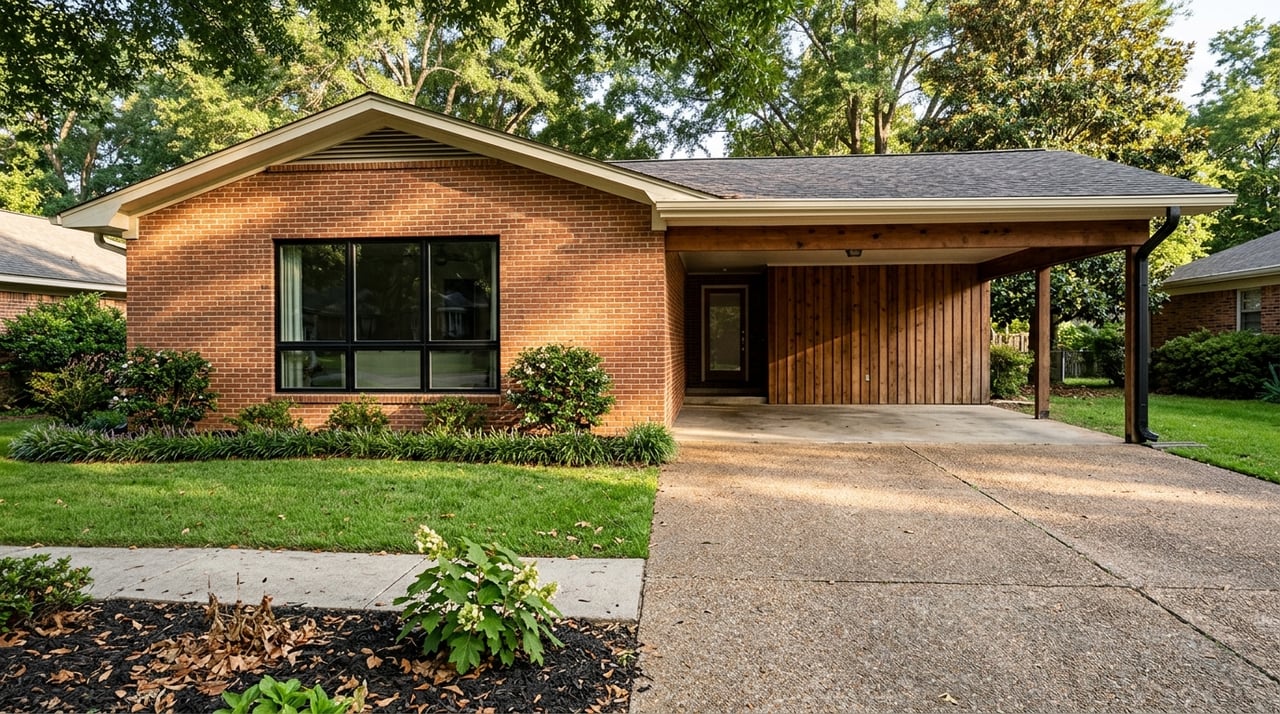
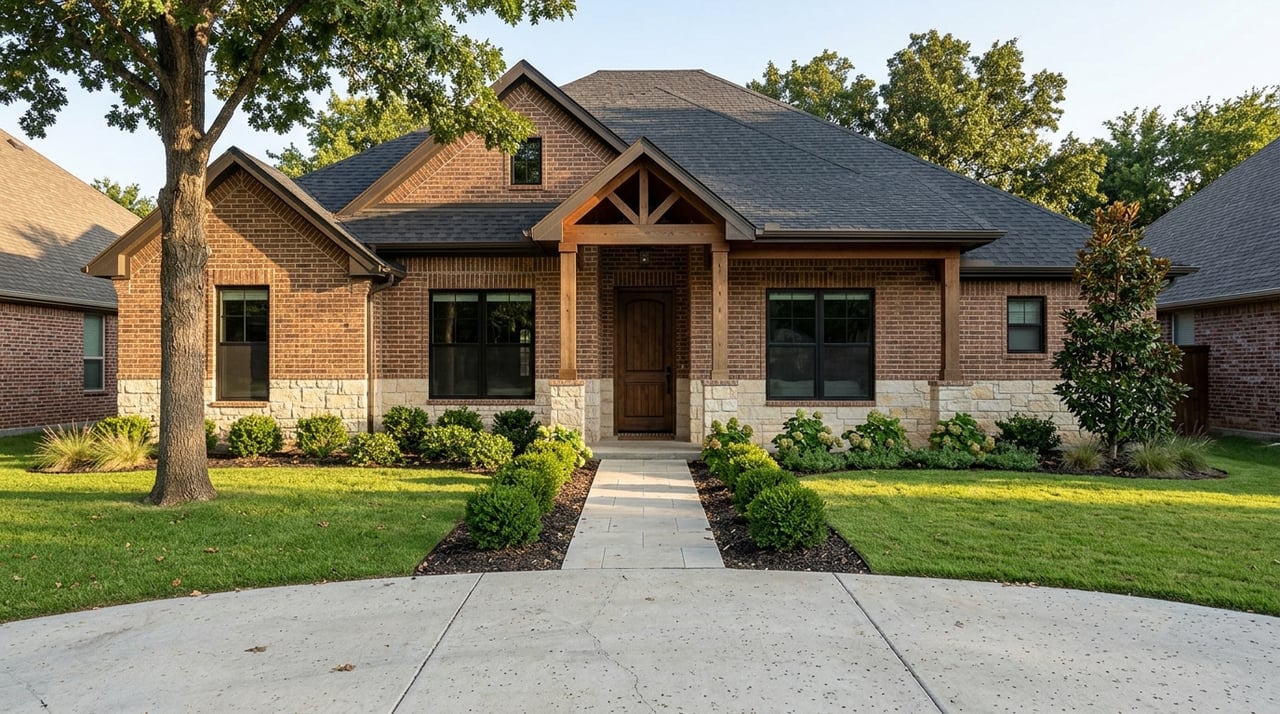
Robinwood homes often feature French Provincial details or mid-century modern proportions. Each style has cues you can follow to keep remodels authentic. You can also blend them with a transitional approach that feels fresh without chasing short-term trends.
Climate-smart choices for Little Rock
Little Rock’s humid subtropical climate means kitchens and baths must handle heat and moisture well. Prioritize effective ventilation, moisture-resistant finishes, and correct waterproofing in wet areas to help prevent mold and premature wear. Choose materials that stay stable in humidity and plan for regular sealing or maintenance where needed.
French Provincial kitchens and baths
Palette and materials
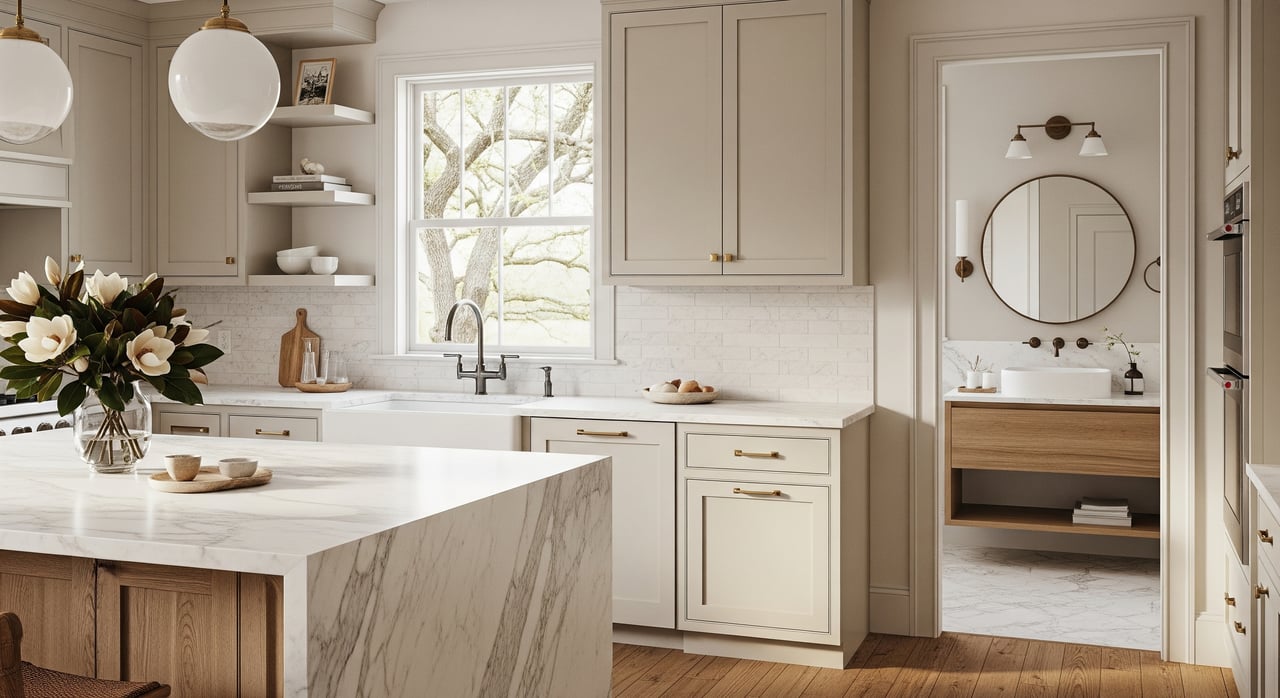
Think warm neutrals like cream, warm white, and soft greige, with muted accents such as sage or powder blue. For cabinetry, consider inset or framed doors with raised panels in off-white or muted tones, not high gloss. Pair with honed or lightly veined stone, such as limestone or honed marble, or quartz that mimics natural stone.
Hardware and fixtures
Oil-rubbed bronze, aged brass, or patinated iron feel period appropriate. Select classic faucet profiles and decorative knobs or pulls that show some detail without going overboard.
Tile and flooring
Use classic patterns like offset subway, hexagon, or French-pattern encaustic look-alikes. Hand-cut or tumbled finishes can add authenticity. For floors, wide-plank oak or hickory in natural or lightly stained finishes works well. Reclaimed wood can be an excellent fit in dry areas.
Lighting choices
Layer light with decorative pendants that have subtle curves, plus wall sconces with simple fabric shades. Add discreet under-cabinet lighting for function that does not distract from the overall look.
Layout ideas
Keep a slightly formal feel with defined work zones. If space allows, include an island or a breakfast nook. In baths, a freestanding tub or an alcove tub with a tiled surround reads classic and comfortable.
Authenticity checklist
- Preserve or replicate crown moulding, window and door casings, and built-ins.
- Choose painted finishes with a soft sheen rather than high-gloss acrylics.
- Avoid ultra-minimal slab cabinetry and hyper-modern hardware.
Mid-century modern kitchens and baths
Palette and materials
Mid-century favors warm woods, warm whites, charcoal, and a few saturated accents like mustard, teal, or olive. Flat-panel or simple shaker cabinets in wood veneer or matte paint fit the style. For counters, consider thin-edge quartz or solid surface with subtle veining.
Hardware and fixtures
Select simple linear pulls in brushed nickel, matte black, or brass. Recessed pulls also work on minimalist doors. Keep faucet and fixture profiles streamlined.
Tile and flooring
Use large rectangular tiles or simple geometric mosaics as accents. Wood floors in narrow to medium planks, especially walnut or oak tones, match the era. For budget projects, quality sheet or plank vinyl with a wood look can be a resilient choice.
Lighting choices
Look for sculptural pendants, globes, or simple linear fixtures. Keep lines clean and avoid heavy ornamentation. Use dimmers to control light levels for a calm, open feel.
Layout ideas
Open plans and long sightlines define mid-century function. Center islands at a lower visual profile help maintain that openness. Keep surfaces clear and storage organized to reduce visual clutter.
Authenticity checklist
- Preserve original built-ins and low, horizontal proportions if you have them.
- Use natural textures and materials that read mid-century, not kitschy reproductions.
Transitional blends that bridge eras
If your home has elements of both styles, a transitional approach can create harmony. Start with a neutral base of warm white, greige, and natural wood. Mix modest crown or a paneled island with clean cabinet doors, and pair shaker fronts with modern recessed pulls. Use quartz or honed stone with subtle movement. Classic subway tile with modern grout color, or a chevron pattern in a larger format, can bridge old and new. Keep scale and proportions consistent with the home’s original trim and openings.
Bathroom planning across styles
- French Provincial feel: freestanding tub, furniture-style vanity or pedestal sinks, patterned floor tile, and cross-handle faucets.
- Mid-century vibe: floating vanity, frameless glass shower, large-format wall tile with simple mosaic accents, and oval or angular mirrors.
- Durable picks for humidity: glazed ceramic or porcelain tile, quartz or sealed stone, and corrosion-resistant fixtures. In baths, consider moisture-resistant cabinet finishes such as high-quality melamine or thermofoil.
- Subtle accessibility: curbless showers, grab bars integrated into tile layouts, and lever handles that blend in while adding safety and convenience.
Layout choices that fit your home
- Preserve layout: Best when existing traffic flows work and you want to refresh finishes. Refinish cabinets, update counters, replace tile, and add ventilation upgrades.
- Reconfigure zones: Improve function by moving appliances or fixtures, widening clearances, or adding an island. Plan for electrical and plumbing adjustments.
- Open plan: Create shared kitchen-living connections. Confirm structural needs early and balance openness with storage and task lighting.
Materials that handle humidity well
- Flooring: Engineered hardwood is more dimensionally stable than solid wood in humid climates. Luxury vinyl plank or tile is a resilient option for kitchens and baths.
- Cabinets and finishes: Low-VOC paints and finishes can support better indoor air quality. In baths, moisture-resistant finishes help prevent swelling or delamination.
- Countertops: Quartz and sealed natural stone perform well in wet zones. Plan for sealing schedules if you choose a porous stone.
Ventilation and waterproofing essentials
- Bathrooms: Use properly sized exhaust fans vented to the exterior. Showers need correct waterproofing with membranes and backer board systems before tile, which protects the structure from moisture.
- Kitchens: A range hood vented outdoors is ideal. If venting outside is not feasible, choose the highest quality recirculating hood you can, understanding it is a tradeoff.
Permits, historic review, and timing
In Little Rock, remodeling usually goes through the City’s Building Safety Division for permits and inspections. If your home falls under a local historic district or protective covenants, you may need additional review. Check requirements early, before demolition or visible exterior changes, so design decisions align with approvals and you avoid rework.
Budget tiers that align with goals
- Budget refresh: Keep the layout, refinish or repaint cabinets, select quality laminates or entry-level quartz, and use ceramic tile. Choose ready-made vanities and basic lighting upgrades.
- Mid-range upgrade: Add semi-custom cabinetry, quartz or honed stone counters, upgraded plumbing fixtures, and larger-format porcelain tile. Consider a new island and improved ventilation.
- Premium renovation: Full custom cabinetry, natural stone or premium quartz with integrated details, paneled or integrated appliances, furniture-style vanities, and high-end lighting. Plan for layout changes, structural work, and comprehensive mechanical upgrades.
Timelines to plan around
- Bathroom, cosmetic with same layout: about 2 to 4 weeks.
- Bathroom, layout change or new plumbing: about 4 to 8 weeks or longer.
- Kitchen, refinish with same layout: about 4 to 8 weeks.
- Kitchen, full remodel with layout or structural changes: about 8 to 16 weeks or longer.
Lead times for custom cabinetry, permitting, and inspections can extend schedules. Build in a contingency for surprises, especially in older homes.
When to bring in specialists
- Historic or period homes: Consult an architect or preservation specialist to keep proportions and details right.
- Complex systems: Use licensed mechanical, electrical, and plumbing contractors to handle load calculations, panel upgrades, and code compliance.
- Custom millwork: Work with cabinetmakers who have experience in historic profiles, furniture-style vanities, and built-ins.
Your next steps
- Define your dominant style: French Provincial, mid-century, or a balanced transitional blend.
- Create a tight palette: Limit materials and colors to keep cohesion.
- Prioritize function: Plan storage, zones, and lighting before finishes.
- Verify permits early: Confirm approvals and any historic review.
- Align budget and timeline: Match scope to goals, then phase if needed.
Ready to see how a kitchen or bath refresh could elevate your Robinwood home’s resale story? For neighborhood-savvy guidance on what buyers respond to, and how to position your home for the market, connect with a local expert. Get Your Instant Home Valuation with Unknown Company to plan your next move with confidence.
FAQs
How do I keep a period look with modern performance?
- Retain or reproduce visible elements like trim, cabinetry profiles, and proportions, while upgrading behind the scenes with improved insulation, HVAC, plumbing, and modern hardware that maintains the historic appearance.
Can I mix French Provincial and mid-century features in Robinwood?
- Yes, choose one as the lead style, then add a few accents from the other. Use a unified color palette and a limited set of materials to avoid visual conflict.
What materials handle Little Rock humidity in kitchens and baths?
- Engineered hardwood, luxury vinyl, quartz or sealed stone counters, and moisture-resistant cabinet finishes perform well. Pair these with proper ventilation and waterproofing.
When do I need permits or historic review in Little Rock?
- Structural, electrical, plumbing, and some mechanical changes generally require permits, and exterior changes in protected homes may need historic review. Check with the City’s Building Safety Division early.
How long will a kitchen or bath remodel take in Robinwood?
- Cosmetic bath updates often take 2 to 4 weeks, while layout changes can run 4 to 8 or more. Kitchens range from 4 to 8 weeks for refinish work to 8 to 16 or more for full remodels, depending on scope and lead times.