If you are eyeing a 1031 exchange in Little Rock’s Robinwood, timing will make or break your results. The 45 and 180 day clocks are strict, and local inventory can be thin at higher price points. This guide gives you a clear plan that fits the IRS rules and the neighborhood’s pace so you can move with confidence.
Why 1031 timing matters in Robinwood
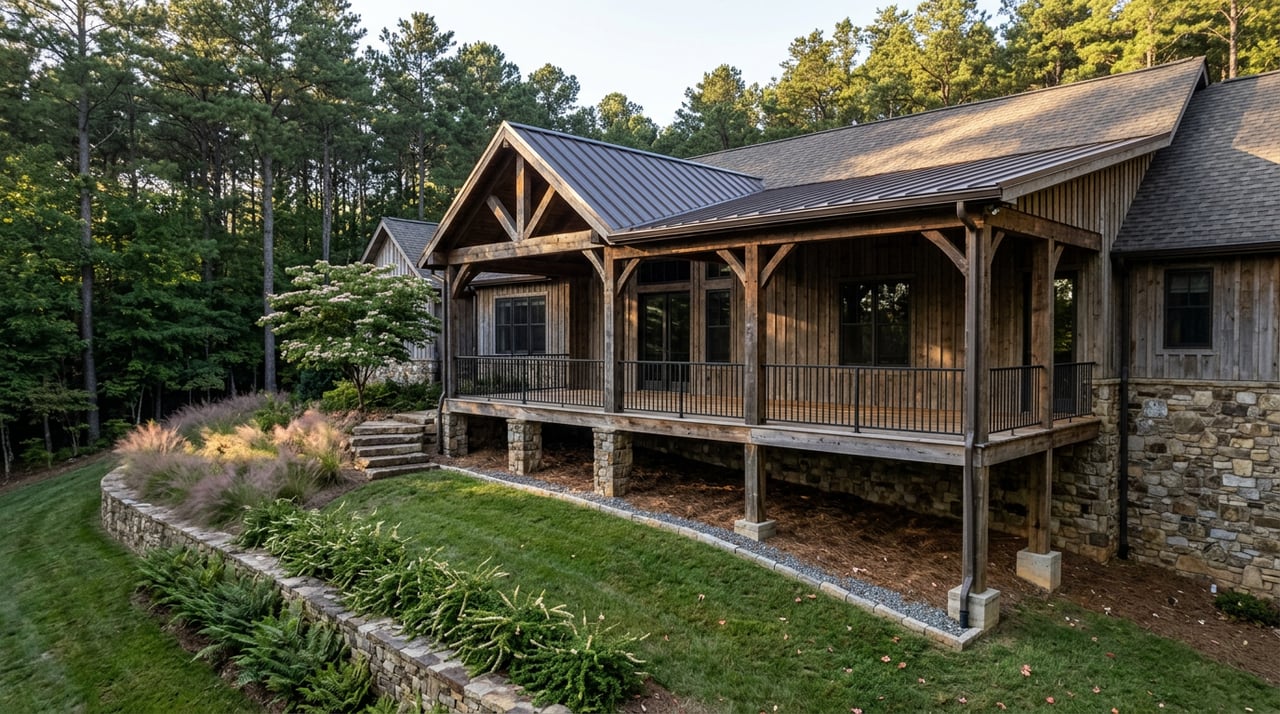
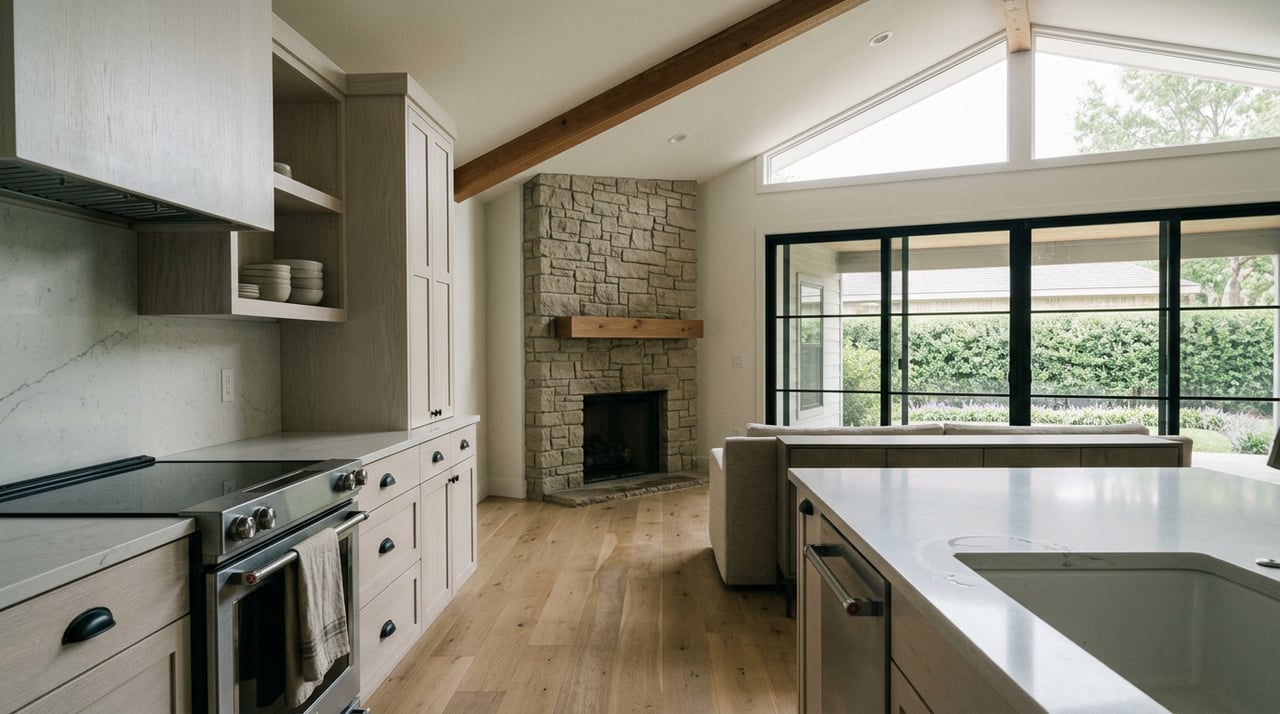
Robinwood is an established, higher end pocket of northwest Little Rock with wooded lots, river bluff views, and mid century homes that often trade at premium prices. It is primarily owner occupied, which limits turnover and can thin out listings at any given moment as described in the neighborhood overview. With fewer like kind properties available, you must plan early to meet the 45 day identification and 180 day closing deadlines set by the IRS per Form 8824 instructions.
What you will find here is a practical roadmap tailored to Little Rock and Robinwood, from prep work through closing, plus options if you need to buy first or improve a property inside your exchange.
Understand the 1031 timeline in Little Rock
Sequence from sale to purchase
Here is the simplified flow for a typical deferred 1031 exchange:
- Before you sell: hire a qualified intermediary, or QI, and alert your CPA and agent. Your exchange agreement must be set up before you close on the sale, and the QI must hold the proceeds to keep you within safe harbor per IRS guidance and standard QI practices outlined here.
- Day 0: you close on the relinquished property. The 45 day and 180 day clocks start now per the IRS timeline.
- By Day 45: identify your replacement property or properties in writing to the QI. The IRS allows three identification methods that set how many properties you can name summarized here.
- By Day 180: close on your replacement property or properties. The 180 day limit can also be cut short by your tax return due date for that year if you do not file an extension per Form 8824 instructions.
In rare disaster situations, the IRS may postpone deadlines, but you must rely on a specific IRS announcement that applies to your dates see disaster relief framework.
Who does what in exchanges
- Qualified intermediary: holds sale proceeds, receives your written identification, coordinates exchange paperwork, and instructs closings.
- CPA/tax counsel: confirms like kind eligibility, debt and cash replacement to avoid taxable boot, and reporting on Form 8824.
- Real estate agent: sources on and off market options, crafts offers and terms that protect timing, coordinates with title and lender.
- Lender: delivers a realistic underwriting timeline and funds by Day 180. Many financed closings take about 30 to 45 days from contract to close in normal conditions per industry averages.
- Title and county: clear title, prepare closing documents, and record deeds. In Pulaski County, the Clerk’s Real Estate office handles recording and transfer tax paperwork, which affects final timelines see county procedures.
Like kind fit for local assets
Most real property held for investment or business can be exchanged for other real property held for investment or business. In practice, a Robinwood single family rental can be swapped into another rental, small multifamily, land held for investment, or a different Little Rock submarket. Focus on your income goals, leverage, and management needs and verify eligibility with your CPA.
Plan sale and purchase sequencing
Pre exchange prep and valuation
- Price and value: set your sale timeline and estimated net with your agent, then confirm what replacement value you need to defer tax.
- Engage your team early: choose your QI and CPA before you list or at least before you sign the sale contract, and have the exchange agreement ready for the sale closing per IRS safe harbor structure and standard QI requirements explained here.
- Build the target map: shortlist addresses, neighborhoods, and property types that meet your value and return needs. Robinwood inventory is often thin, and pricing estimates vary by source because of low volume and wide ranges illustrated by neighborhood snapshots. Include adjacent areas to widen your options.
Financing and lender readiness
- Pre approval: complete credit and income underwriting before Day 0.
- Timeline: ask your lender for realistic appraisal and closing time estimates. Budget 30 to 45 days for financed purchases as a planning baseline per national timing data.
- Structure: align loan size and cash so you replace equal or greater value and debt where required. Falling short on debt can create taxable mortgage boot see overview. Confirm details with your CPA.
Identification strategy and backups
- Three property rule: identify up to three properties regardless of value.
- 200 percent rule: identify any number of properties, as long as the total value does not exceed 200 percent of the value of what you sold.
- 95 percent rule: identify any number of properties, but you must buy at least 95 percent of the total identified value. This approach is uncommon due to risk summary of rules.
Use one primary and two backups under the three property rule, or combine on and off market options under the 200 percent rule to increase flexibility if one deal falls apart.
Contract terms that protect timing
- Short due diligence with early access for inspections.
- Appraisal ordered at contract acceptance.
- Seller agrees to quick title curative steps.
- Clear exchange language authorizing assignment of contract to your QI.
- If needed, rent back or extended possession after closing to bridge a gap to Day 180.
Coordinate with Robinwood market dynamics
Seasonality and listing cadence
Owner occupied, higher end neighborhoods often have slower, uneven listing flow. Citywide median home prices in Little Rock trend below national levels, but neighborhood pockets like Robinwood can swing with limited comps and occasional large estates, which may affect appraisal timing and negotiation posture see city context and local neighborhood snapshots. Start sourcing before Day 0 so you are not rushing at Day 45.
Source on and off market options
- Public MLS and portal listings for actives and coming soon.
- Agent outreach to owners who may sell quietly in Robinwood or nearby submarkets.
- Pocket listings, builder inventory, and small multifamily within your value band.
- Adjacent neighborhoods with similar rents or lot profiles.
Thin inventory is the main pressure point here. A wider net could be the difference between meeting Day 45 or missing it.
Navigate competition and negotiation
- Lead with clean terms, proof of funds or strong pre approval, and limited but targeted contingencies.
- Keep at least one backup property identified and moving through diligence in parallel.
- Use response deadlines that fit your Day 45 and Day 180 milestones, not the other way around.
Choose advanced exchange structures wisely
Reverse exchange overview and use
If the right replacement appears before your sale closes, a reverse exchange can let you buy first. An Exchange Accommodation Titleholder, or EAT, holds title while you complete your sale. Reverse exchanges add cost and complexity but can solve timing risk in low inventory markets see IRS accommodation guidance.
Improvement exchange basics and risks
If your plan depends on value add work, an improvement or construction exchange can allow improvements while an EAT holds title during the exchange period. Strict documentation and timelines apply, and you will need a QI experienced in these structures IRS framework.
Portfolio trades and partial deferral
You can identify and buy multiple properties to replace one sale. If you choose not to deploy all proceeds or replace all debt, you can still complete the exchange but will recognize tax on the portion not deferred. Work with your CPA to weigh simplicity against full deferral.
Avoid delays and close with confidence
Inspection, appraisal, and title timing
- Schedule inspections within 3 to 5 days of contract.
- Order appraisals at once and track turn times with the lender.
- Ask title to start searches immediately. In Pulaski County, recording requires the correct transfer tax form and fees, plus standard deed requirements. E recording can speed confirmation of recording when available county real estate office.
Communication cadence and milestone tracking
- Use one shared timeline that shows Day 0, Day 45, and Day 180.
- Hold brief check ins twice a week with your agent, QI, lender, and title.
- Confirm wire and document cutoffs 48 hours before closing.
Compliance, records, and documentation
- Identification letter: deliver in writing to your QI by Day 45 with exact property descriptions per IRS rules.
- Exchange assignment and notices: ensure contracts include exchange assignment language and that counterparties receive notice.
- Reporting: your CPA will file Form 8824 for the year of the exchange and track dates of sale, identification, and receipt IRS instructions.
Partner with a local 1031 expert
A smooth exchange blends strict federal timing with local speed. In Robinwood, that means planning around thin inventory, appraisal variability, and 30 to 45 day financed closing windows. You do not have to navigate this alone. For a confidential plan that maps your timelines, values your current property, and lines up replacement targets, connect with Kristen Honea McCready. We will help you coordinate your QI, CPA, lender, and title so you can move on schedule.
FAQs
What are the 45 day and 180 day deadlines?
- You must identify replacement property in writing within 45 days after closing your sale and close on replacement within 180 days, or by your tax return due date if earlier with extensions available, as outlined by the IRS Form 8824 instructions.
How many properties can I identify?
Do I need a qualified intermediary?
- Yes. In a deferred exchange, a QI must hold the proceeds. If you or a disallowed party receives the funds, the exchange can fail IRS guidance and QI overview.
What if I cannot find a Robinwood replacement by Day 45?
- Expand to nearby submarkets, use the 200 percent rule to add backups, or consider a reverse exchange so you can buy first if the right asset appears IRS accommodation framework.
Can deadlines be extended for disasters?
- Sometimes. The IRS can grant postponements for federally declared disasters, but you must rely on the specific IRS notice that covers your dates and location relief framework.
How long will my purchase take to close?
- Many financed purchases close in about 30 to 45 days, depending on appraisal and underwriting industry averages. Build that into your 180 day window.
What local recording steps should I expect in Pulaski County?
- The Clerk’s Real Estate office records deeds and handles the transfer tax form and fees. E recording can speed confirmation when available county procedures.
What is mortgage boot and how do I avoid it?
- If you replace less debt than you paid off, the shortfall can be taxable boot. Work with your lender and CPA to match or exceed debt or add cash to offset overview.
Where can I learn more about QIs that work in Little Rock?
- Many local and national QIs serve Arkansas investors. Review experience, controls, and fees, and confirm they can handle reverse or improvement exchanges if needed general QI FAQs.