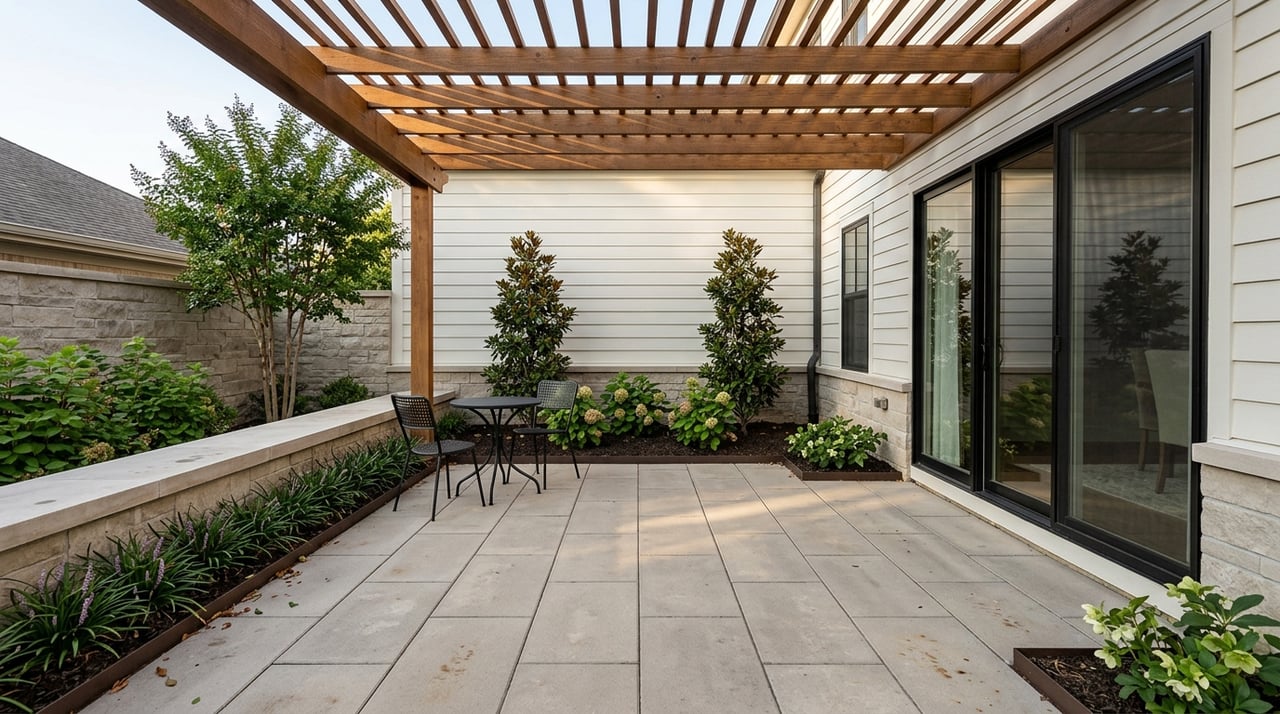
How to Right-Size From a Hillcrest Home to the Suburbs
June 4, 2026
June 4, 2026
Wondering if it’s time to leave Hillcrest for a more suburban home? That question is more common than you might think, especially if you love Hillcrest’s character but want a house that better fits your next chapter. If you are weighing space, maintenance, parking, layout, or daily convenience, this guide will help you compare your options and plan the move with more clarity. Let’s dive in.
Right-sizing from Hillcrest is not always about moving into a smaller home. In many cases, it means trading one kind of lifestyle for another.
Hillcrest is one of Little Rock’s historic central neighborhoods. The City of Little Rock describes it as Little Rock’s streetcar suburb, and the Hillcrest Residents Association highlights its village feel with amenities that are often within walking or biking distance.
That charm comes with trade-offs. Much of Hillcrest’s housing stock was built between the turn of the century and World War II, so many homeowners are balancing historic character with older systems, limited parking, and renovation considerations.
If you have owned your home for years, your needs may have changed. You may want one-level living, easier upkeep, more storage, a larger garage, or a yard that feels more usable without the extra work that can come with an older property.
Before you focus on where to go, it helps to define what Hillcrest currently gives you. That makes it easier to spot the trade-offs that matter most.
Hillcrest offers a central location, a pedestrian-oriented scale, and a well-established historic identity. The area includes about 1,200 homes built before and around World War II, and the district is listed on the National Register of Historic Places.
For many homeowners, that setting is part of the appeal. At the same time, the same historic fabric that makes Hillcrest special can also limit how easily a home adapts to new needs.
The Hillcrest Design Overlay District is intended to preserve the neighborhood’s character and discourage incompatible remodeling, out-of-scale projects, and avoidable teardowns. So if you are deciding whether to renovate or move, that overlay can be an important part of the equation.
A successful right-size move starts with fit, not square footage. The best suburban move is the one that supports how you want to live now.
You may be looking for:
For some Hillcrest homeowners, right-sizing means moving to a larger suburban home with a simpler layout. For others, it means choosing a home that is easier to manage even if the price point is higher.
Two of the clearest suburban alternatives in this conversation are Pleasant Valley and Chenal Valley. Each offers a different kind of move.
Pleasant Valley is about 8 miles west of downtown Little Rock. The neighborhood includes about 1,000 homes on large lots with mature hardwoods.
The property owners association describes amenities that include two pools, a community center, two playgrounds, tennis courts, 55 acres of green space, and the 27-hole Pleasant Valley Country Club golf course. Residents also pay an annual assessment for upkeep.
For a Hillcrest homeowner, Pleasant Valley can feel like an established suburban alternative. You may gain more land, more neighborhood amenities, and a different style of daily living, while giving up some of Hillcrest’s central-city feel.
Chenal Valley offers a different suburban model. It began as a planned west Little Rock development and today includes 38 distinct neighborhoods, a country club, The Promenade at Chenal, and CHI St. Vincent’s west campus.
That setup may appeal to you if you want a more master-planned setting with built-in access to retail and medical services on the west side of town. Instead of the historic, close-in identity of Hillcrest, Chenal offers a broader planned-community environment.
| Area | General feel | Notable features |
|---|---|---|
| Hillcrest | Historic, central, walkable | Older homes, pedestrian-oriented character, close-in location |
| Pleasant Valley | Established suburban | Large lots, mature trees, amenities, annual assessment |
| Chenal Valley | Master-planned suburban | Multiple neighborhoods, retail access, country club, west-side medical access |
If you are moving from Hillcrest to a suburban neighborhood, the pricing difference matters. It can affect both your purchase strategy and how much flexibility you have after selling.
Over the last three months, Redfin reported Hillcrest’s median sale price at $344,872. In April 2026, 44 homes sold there, with a median days-on-market figure of 67 days.
Little Rock overall was lower, with a median sale price of $264,863, 648 homes sold in April 2026, and a median of 61 days on market. That makes Hillcrest a higher-priced segment than the city overall.
Pleasant Valley was notably higher. Redfin showed a median sale price of $470,300 over the last three months, with 12 homes sold in April 2026 and a median 50 days on market.
Realtor.com adds inventory context. In April 2026, Hillcrest showed 61 homes for sale with a median listing price of $332,000, while Pleasant Valley showed 16 homes for sale with a median listing price of $499,900.
Because these platforms use different methodologies, the numbers work best as snapshots, not exact apples-to-apples comparisons. Still, the directional takeaway is clear: moving from Hillcrest to Pleasant Valley often means moving into a higher price tier.
The best decision usually comes from comparing your next-home costs with your current-home reality. That means looking beyond list price.
Start with your non-negotiables. Think about layout, storage, exterior maintenance, yard size, and parking before you fall in love with any one neighborhood.
Then compare carrying costs. In a suburban neighborhood, your monthly or annual ownership costs may include different tax outcomes, association assessments, and upkeep obligations.
Pleasant Valley, for example, has an annual assessment. If you are comparing a Hillcrest home with a suburban option, that is part of the real cost of ownership.
Many Hillcrest owners ask the same practical question: should you sell first, buy first, or try to do both at once? The answer depends on your finances, available inventory, and your comfort with timing.
A helpful framework is to move step by step:
This kind of planning matters when you are moving from a distinctive neighborhood like Hillcrest into a more limited suburban inventory pool. If the destination neighborhood has fewer homes available, you may need a tighter plan before your current home goes on the market.
Taxes can shape your move more than many people expect. If your primary residence changes, your property tax setup may change too.
In Arkansas, homeowners may receive a homestead property tax credit of up to $600 beginning with the 2026 tax bills. The credit applies only to a primary residence and only one property per taxpayer.
Pulaski County notes that you do not need to reapply every year, but you do need to reapply when your primary residence changes. The county deadline for a given year is October 15.
If you qualify for the homestead credit and are age 65 or older or disabled, you may also qualify for a freeze on taxable assessed value. According to the Arkansas Department of Finance and Administration, that limitation does not transfer to the next owner when the property is sold.
For some owners, the biggest question is whether to update the current home instead of relocating. In Hillcrest, that choice deserves careful thought.
Because of the design overlay district, additions, remodels, and teardowns may face extra scrutiny. The city’s goal is to preserve the neighborhood’s historic character and pedestrian-oriented scale.
That does not mean improvements are off the table. It does mean your timeline, budget, and renovation plans may not be as simple as they would be in a different setting.
If your wish list includes changes like easier parking, a more open layout, simpler exterior care, or a different lot setup, moving may be more practical than retrofitting an older historic home. The right answer depends on your priorities, not just your attachment to the neighborhood.
If you want to make a smart move from Hillcrest to the suburbs, keep your decision grounded in daily life.
Ask yourself:
When you answer these questions honestly, the right path often becomes much clearer.
If you are thinking about right-sizing from Hillcrest to a suburban home, the most helpful next step is a plan built around your timeline, your equity, and the type of neighborhood that fits your next season. For thoughtful guidance rooted in decades of Little Rock market experience, connect with Kristen Honea Mccready.
Work with Kristen for a real estate experience defined by passion, innovation, and results. With the latest tools, market insights, and a client-first approach, she turns your goals into reality.

Keller Williams Realty
Kristen Honea McCready
(501) 960-5353
12814 Cantrell Rd Little Rock AR 72223