A Smart Hillcrest Home Pricing Strategy for Sellers
June 18, 2026
June 18, 2026
Wondering how to price your Hillcrest home without leaving money on the table or watching it sit too long? You are not alone. In a neighborhood with historic charm, mixed home styles, and buyers who notice details, pricing is rarely as simple as checking a citywide average. The good news is that a smart strategy can help you position your home with confidence, attract serious interest, and protect your leverage from day one. Let’s dive in.
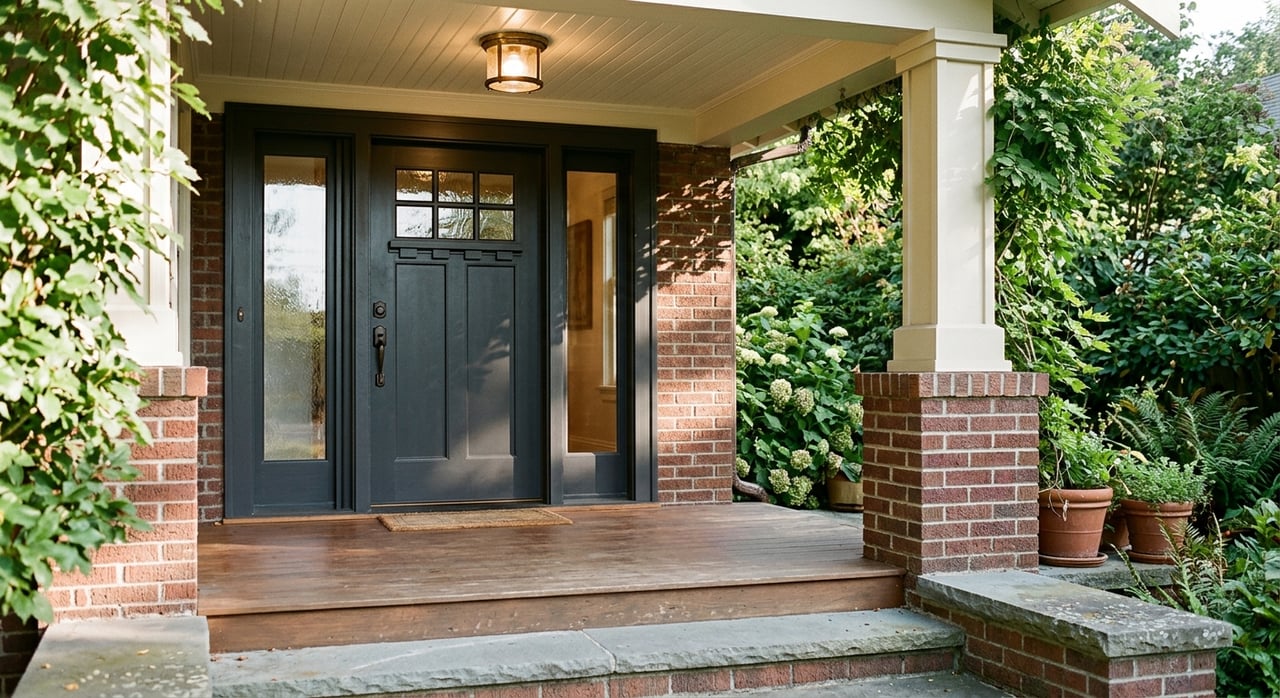
Hillcrest is not a one-note neighborhood. According to the City of Little Rock’s historic survey, much of the area’s housing stock was built between the early 1890s and 1940, with styles that include Queen Anne, Colonial Revival, Craftsman, Bungalow, English Revival, Prairie, and Modernistic homes.
That variety matters when you set a list price. A carefully updated bungalow, an original cottage, and a newer infill property may share a similar size, but they do not compete the same way in the market. In Hillcrest, buyers often respond not just to square footage, but also to condition, layout, architectural character, and the quality of renovations.
The neighborhood’s historic identity also shapes value. Hillcrest is part of a National Register historic district, and the city’s Hillcrest Design Overlay District is intended to preserve the area’s architectural character and compatible scale. For you as a seller, that means a home’s historic feel and design fit can be part of the pricing conversation, not just a backdrop.
Recent Realtor.com neighborhood data showed 61 homes for sale in Hillcrest, a median listing price of $332,000, median days on market of 32 days, and a 100% sale-to-list price ratio in spring 2026. Realtor.com also labeled Hillcrest a seller’s market in March 2026.
That sounds strong, but it does not mean every home can push pricing aggressively. The same research points to a market that is active and selective. Buyers may move quickly when a property feels well-priced and well-presented, but they can also hesitate when a listing feels disconnected from condition or comparable sales.
Broader Little Rock numbers tell a different story. Redfin’s citywide data for the three months ending May 2026 showed a median sale price of $275,835, homes taking about 55 days to sell, and the average home selling about 3% below list. Those numbers are useful for context, but they are not a substitute for true Hillcrest pricing.
The strongest pricing strategy usually begins with the right comparable sales. Fannie Mae guidance says the best comps come from the same market area and should have similar physical and legal characteristics, including site, room count, finished area, style, and condition.
In plain terms, that means you should not rely on broad Little Rock averages or even a random mix of nearby listings. In Hillcrest, a meaningful pricing analysis should compare your home to other homes that feel similar to a buyer walking through the front door.
A useful Hillcrest comparison should account for:
This is where many pricing mistakes begin. If your home has preserved details and thoughtful updates, it may deserve stronger positioning than a nearby property with dated systems or mismatched remodeling. On the other hand, if your home needs work, buyers will usually price that in quickly.
Hillcrest’s historic housing mix makes condition especially important. The city’s district survey found that about 64% of properties were contributing historic structures, 22% were altered or non-contributing historic structures, and 14% were built after 1940.
That helps explain why two homes on nearby streets can perform very differently. Buyers often see a difference between original character that has been maintained well, updates that feel appropriate to the home, and renovations that do not match the property’s style.
When buyers compare Hillcrest homes, they may pay close attention to:
A smart list price reflects those realities upfront. It is usually better to price according to actual condition than to hope buyers will overlook needed work because of the neighborhood name alone.
Some sellers assume they can “test the market” with a higher number and negotiate later. In Hillcrest, that can create problems.
The research shows buyers are still active, but they are not ignoring value. National buyer and seller data from 2025 found that sellers cared deeply about competitive pricing and selling within a specific timeframe, while buyers often had the ability to act decisively. That combination can reward accurate pricing and punish listings that start too high.
There is also the appraisal issue. The Consumer Financial Protection Bureau notes that if a home appraises below the contract price, the buyer may need to bring more cash, renegotiate the price, or walk away from the deal.
When you overprice at the listing stage, you may end up negotiating again at the appraisal stage. At that point, your leverage can be weaker because the conversation has shifted from marketing strategy to value support. In many cases, a disciplined list price protects your deal better than an ambitious one.
Pricing is the foundation, but presentation helps buyers agree with the number. In a neighborhood like Hillcrest, that matters because many homes have character that needs to be translated well in photos and in person.
NAR’s 2025 staging report found that 29% of agents said staging led to a 1% to 10% increase in the dollar value offered, and 49% said staging reduced time on market. The most important rooms to stage were the living room, primary bedroom, and kitchen.
That does not mean you need a full redesign. It means buyers should be able to understand the scale, flow, and function of the home quickly.
Before listing, focus on:
In Hillcrest, charm is a strength, but only when buyers can see how the home lives today.
First impressions carry weight, especially in a neighborhood known for mature streetscapes and distinctive architecture. Curb appeal can support your pricing strategy before buyers ever walk inside.
NAR remodeling research found that 92% of REALTORS® recommend improving curb appeal before listing, and 97% said curb appeal is important to attracting a buyer. The 2025 Remodeling Impact Report also highlighted strong estimated cost recovery for projects like a new steel front door, closet renovation, and new fiberglass front door.
For most sellers, that points to a practical lesson. Small, visible improvements often do more for buyer confidence than large pre-listing projects.
These steps do not replace smart pricing, but they can help reinforce it.
A strong launch can make your pricing strategy work harder. Realtor.com identified April 12 through 18 as the best week to sell in 2026, while Redfin’s spring analysis pointed to the end of April.
That seasonal timing can be especially helpful in Hillcrest. The neighborhood’s appeal is closely tied to its tree-lined setting, architectural details, and walkable feel, all of which tend to show well in spring marketing photos and in-person showings.
If your timeline is flexible, it may be worth planning ahead so your home is ready to hit the market when presentation and buyer activity are both working in your favor.
For most Hillcrest sellers, the best approach is simple: use same-area comps, adjust carefully for condition and renovation level, and let presentation support the price. That strategy fits the neighborhood’s mixed housing stock and today’s more selective buyer behavior.
A boutique, neighborhood-rooted approach can make a real difference here. When your pricing reflects how buyers actually compare homes in Hillcrest, you put yourself in a better position to attract serious offers, reduce avoidable negotiation issues, and move forward with more confidence.
If you are thinking about selling in Hillcrest and want a pricing strategy built around your home’s specific condition, character, and local competition, Kristen Honea Mccready can help you make a clear, well-informed plan.
Work with Kristen for a real estate experience defined by passion, innovation, and results. With the latest tools, market insights, and a client-first approach, she turns your goals into reality.

Keller Williams Realty
Kristen Honea McCready
(501) 960-5353
12814 Cantrell Rd Little Rock AR 72223